To answer a few of the questions so far:
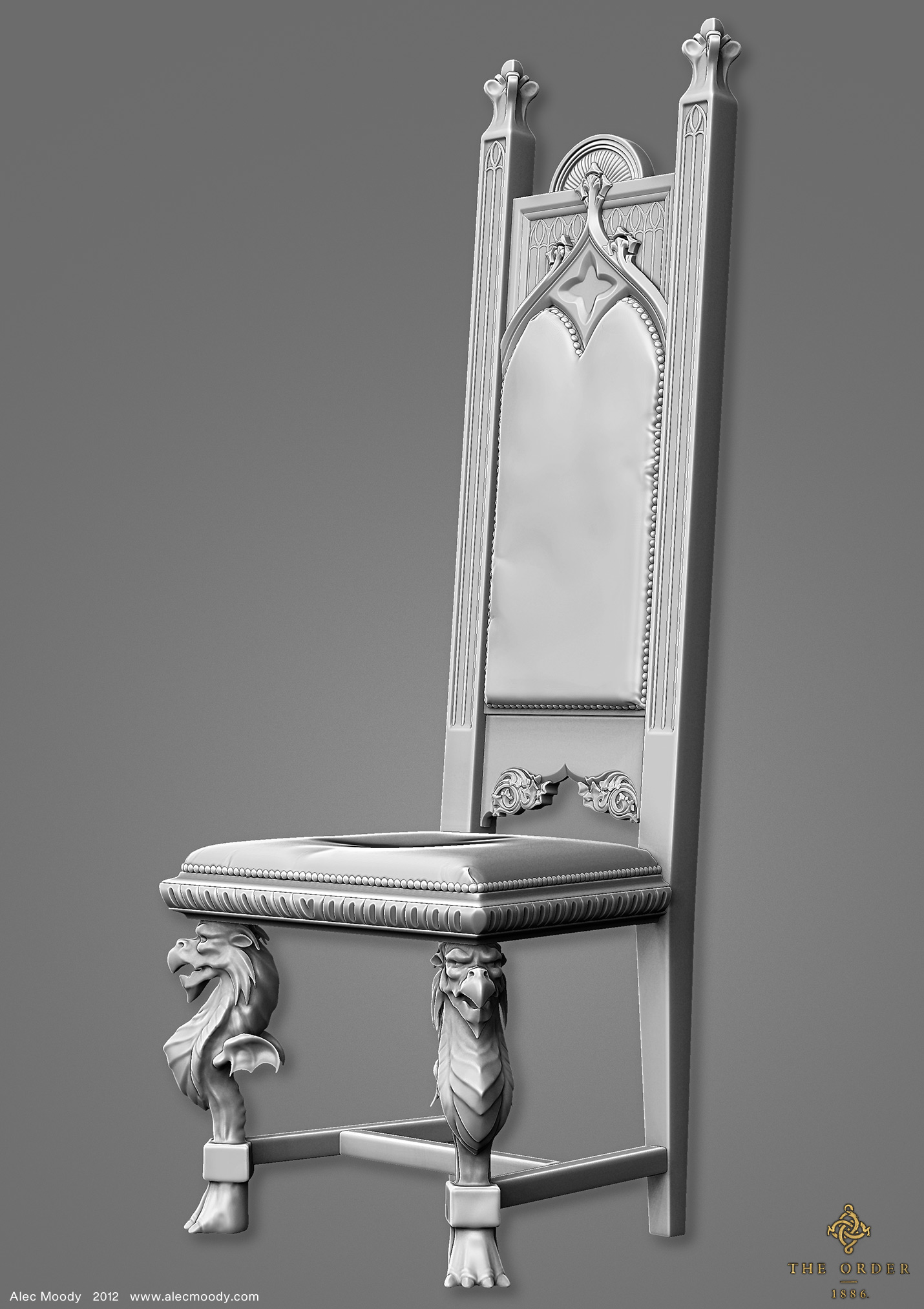
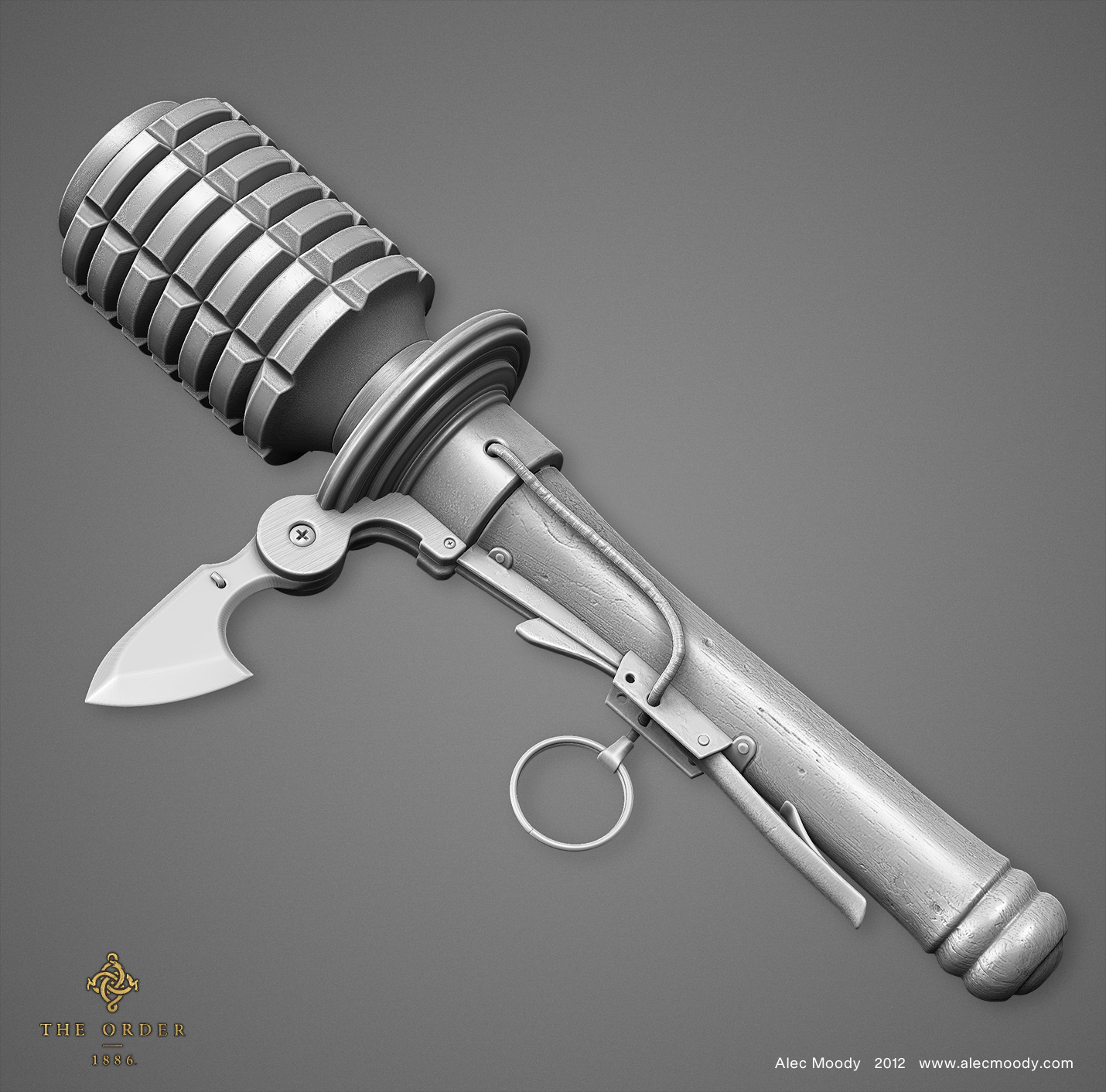
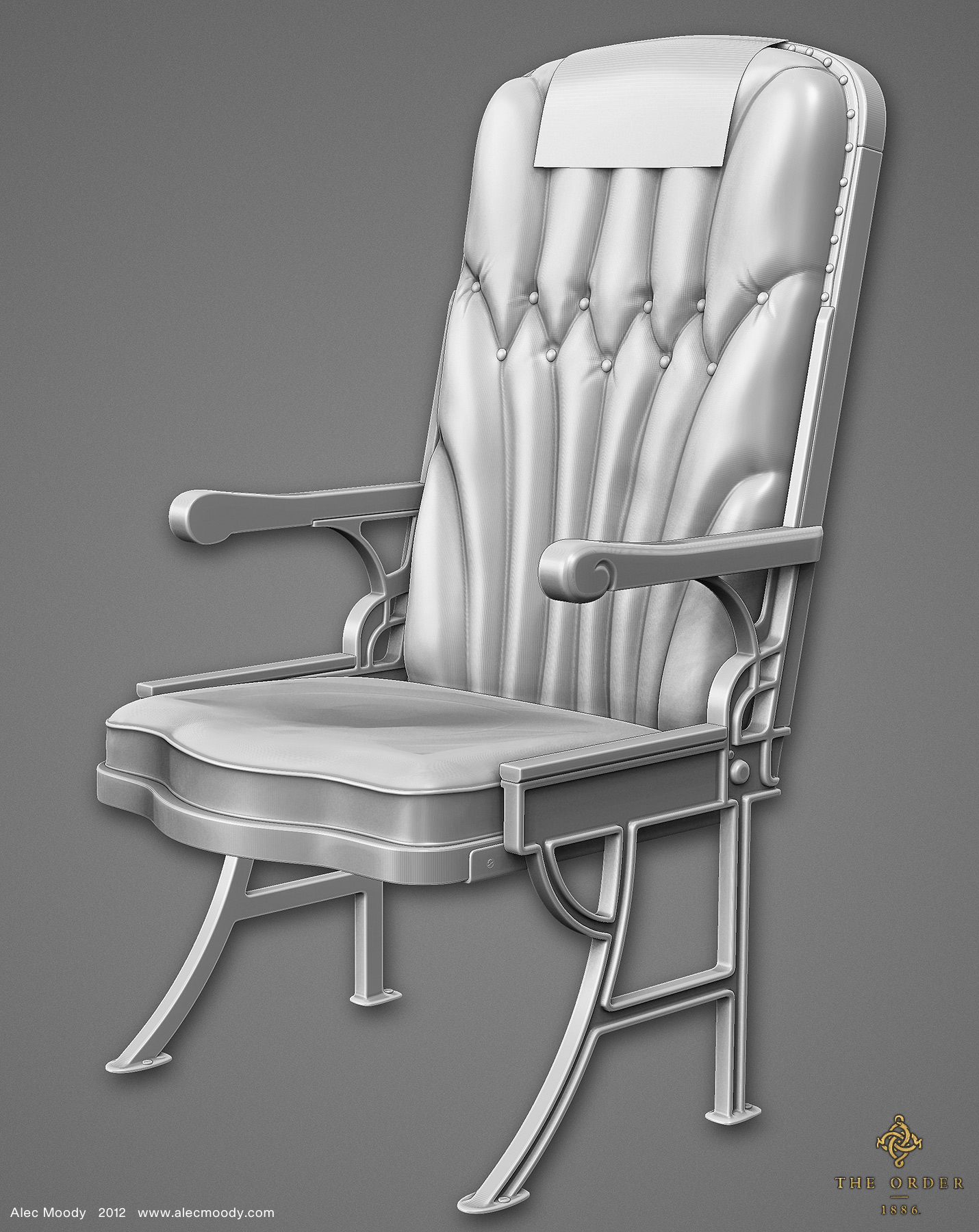
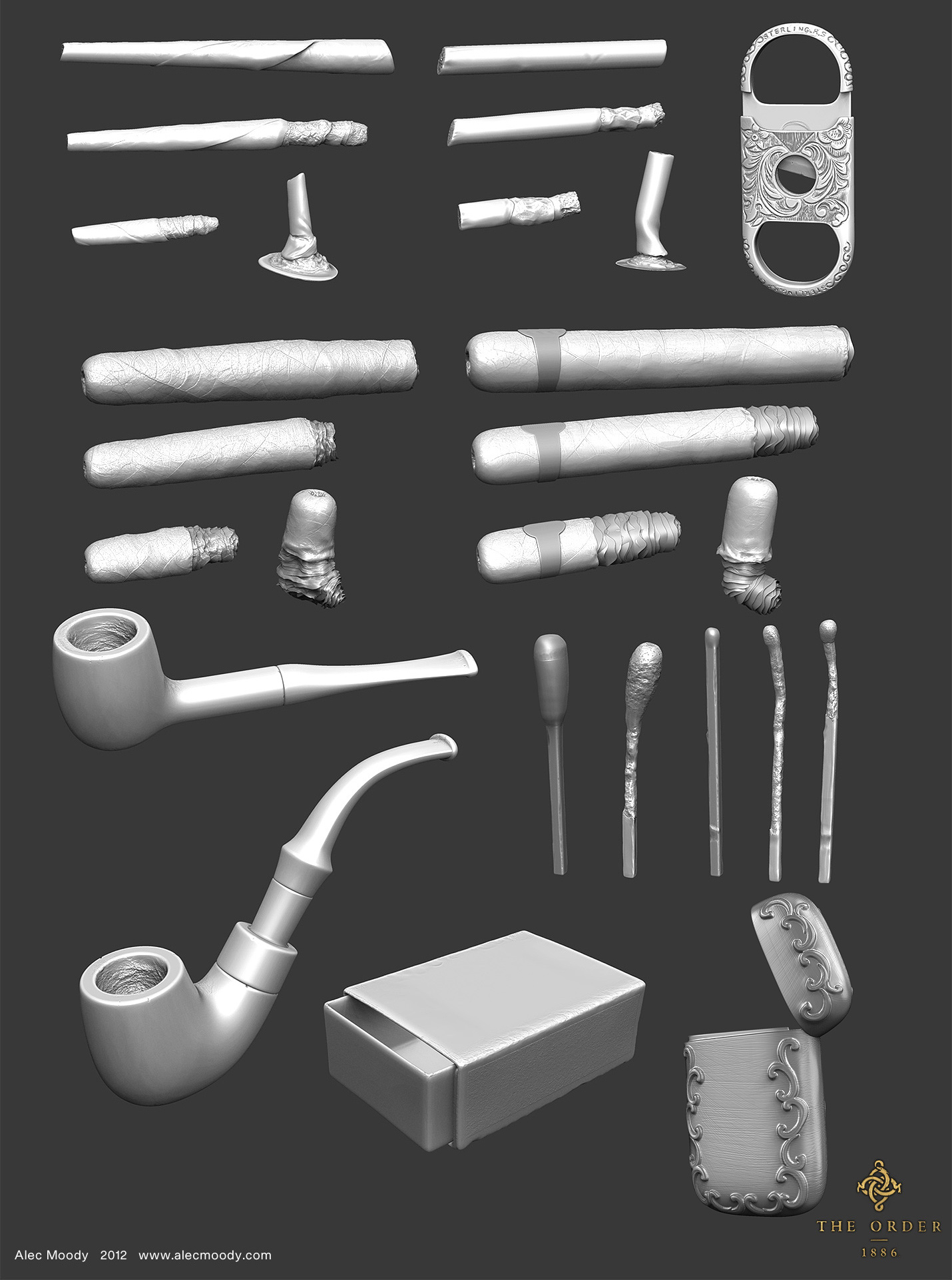
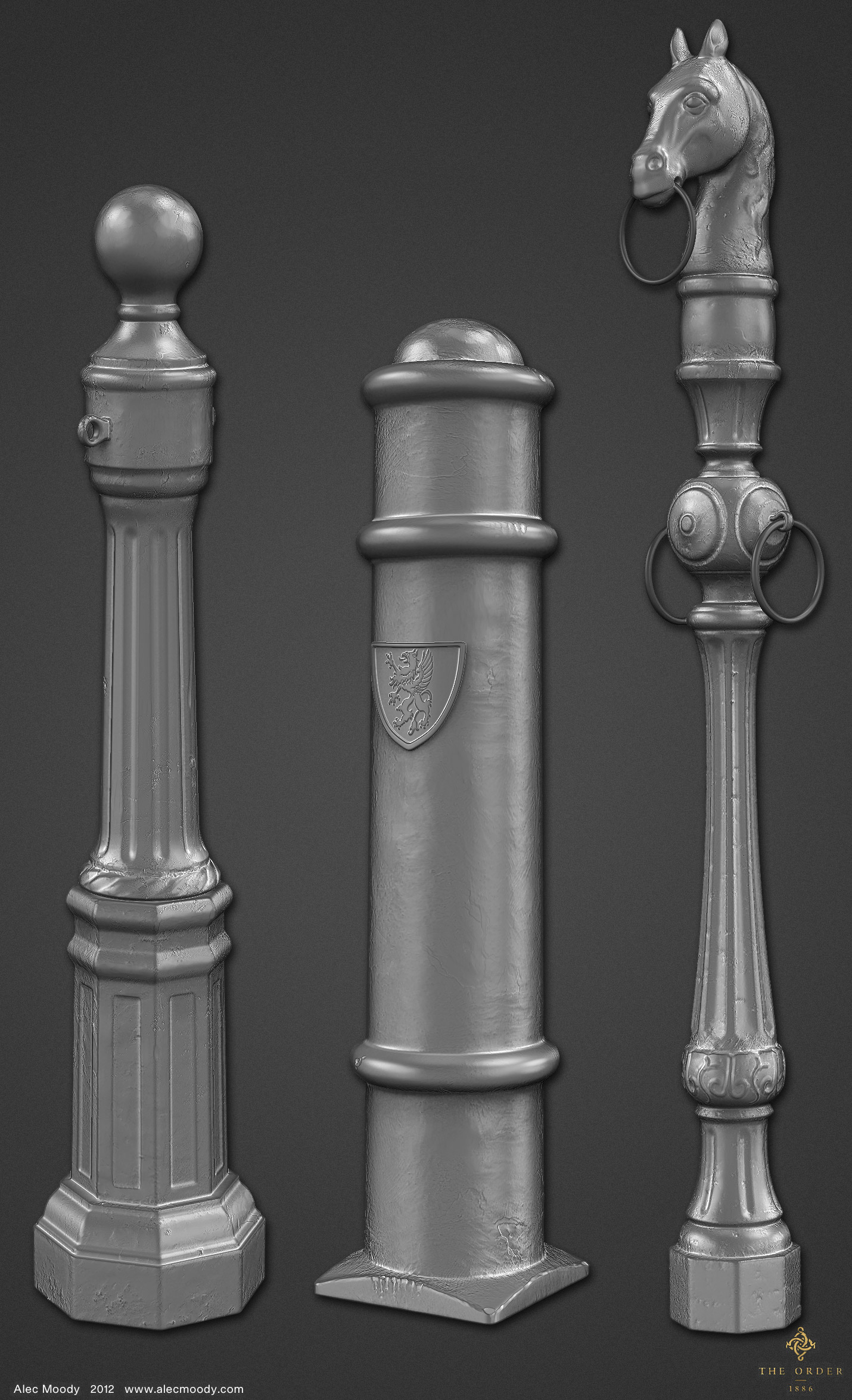
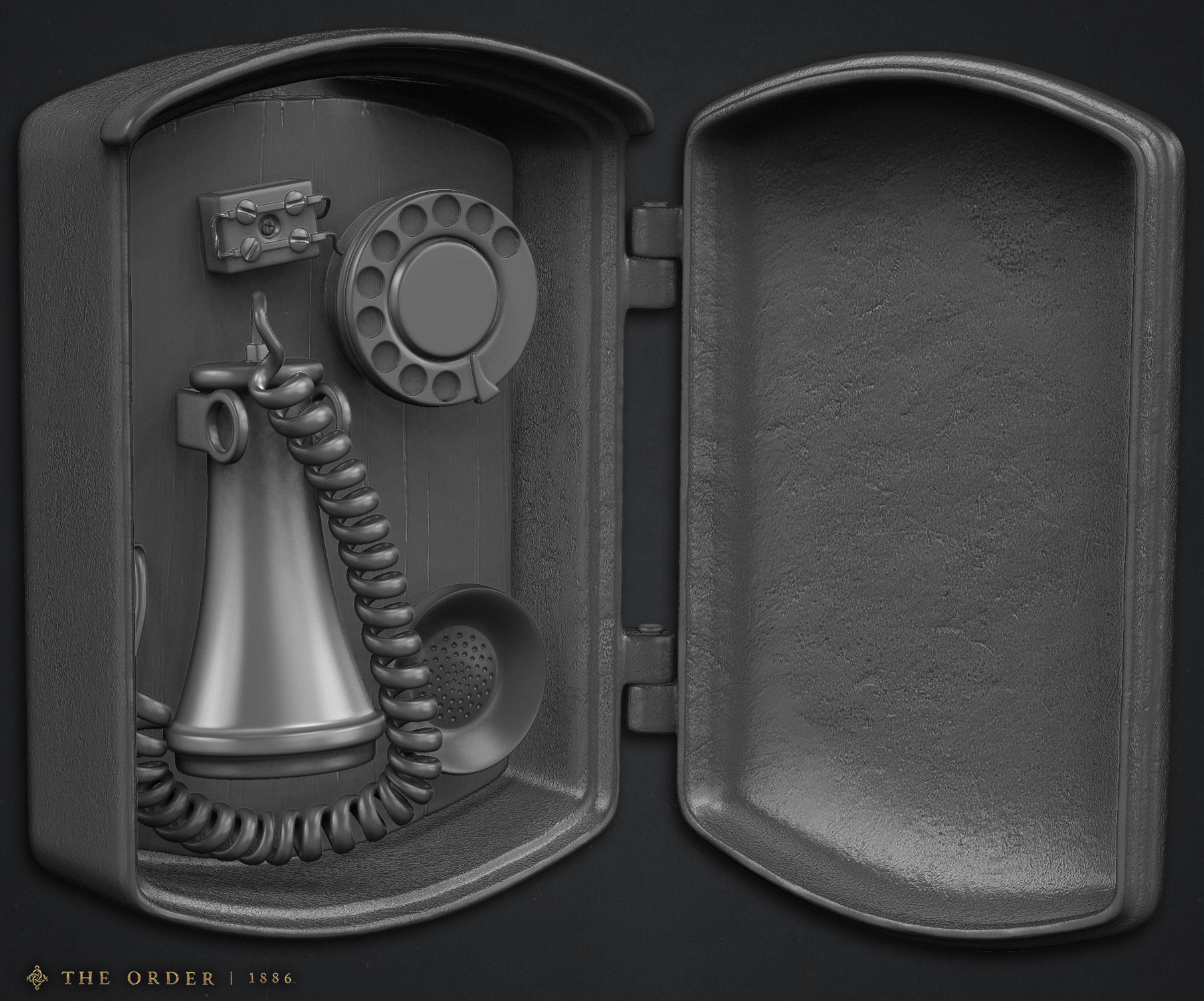
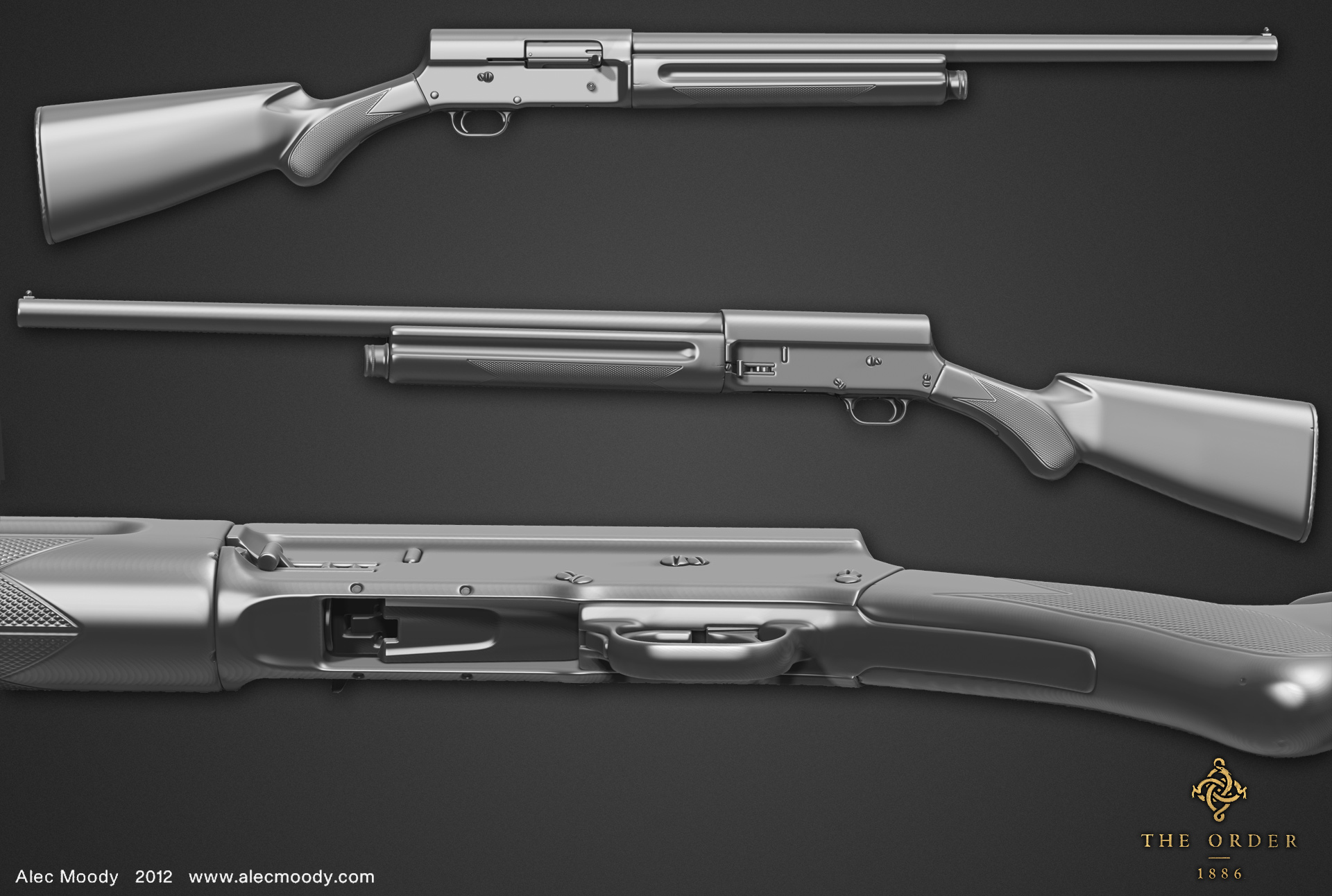
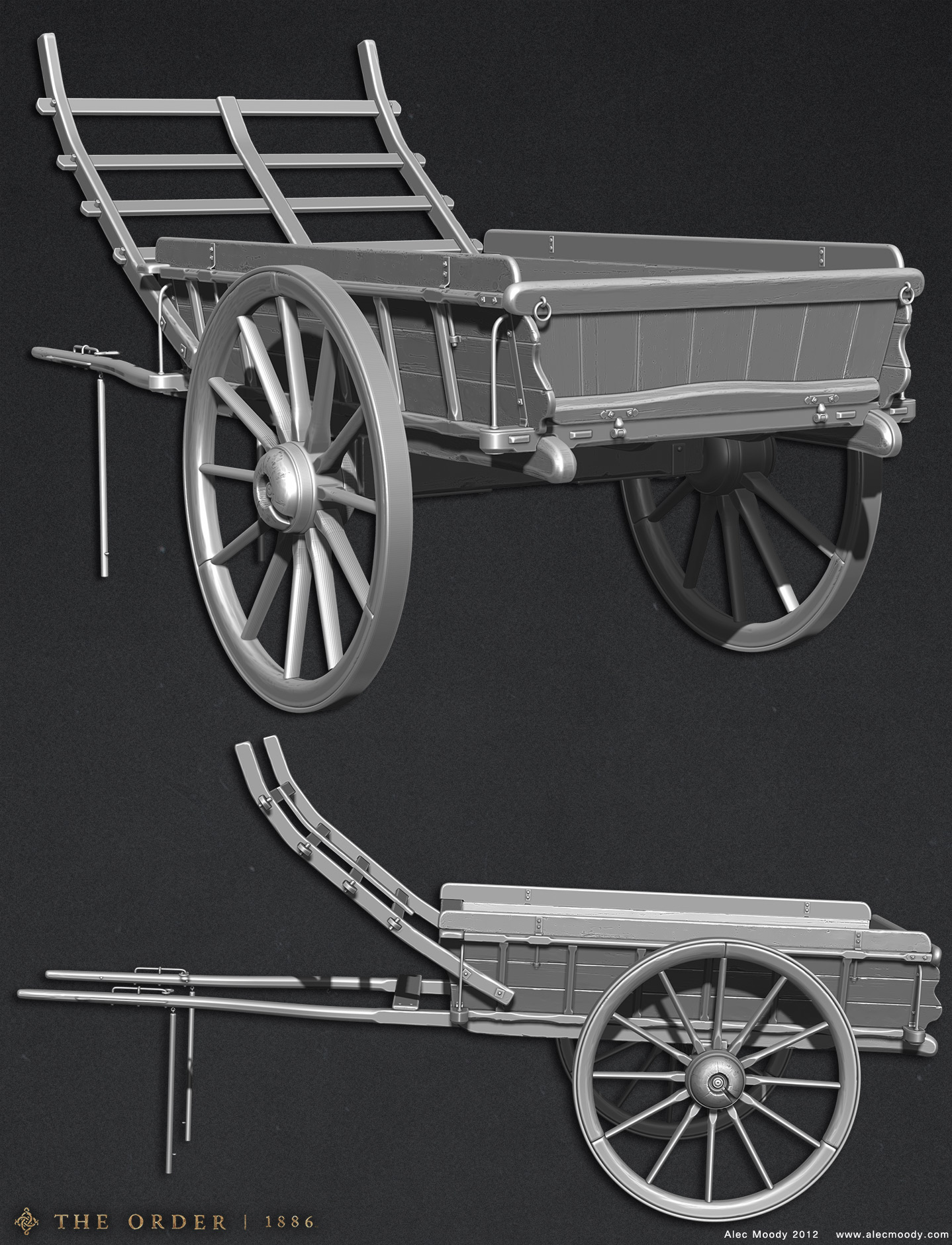
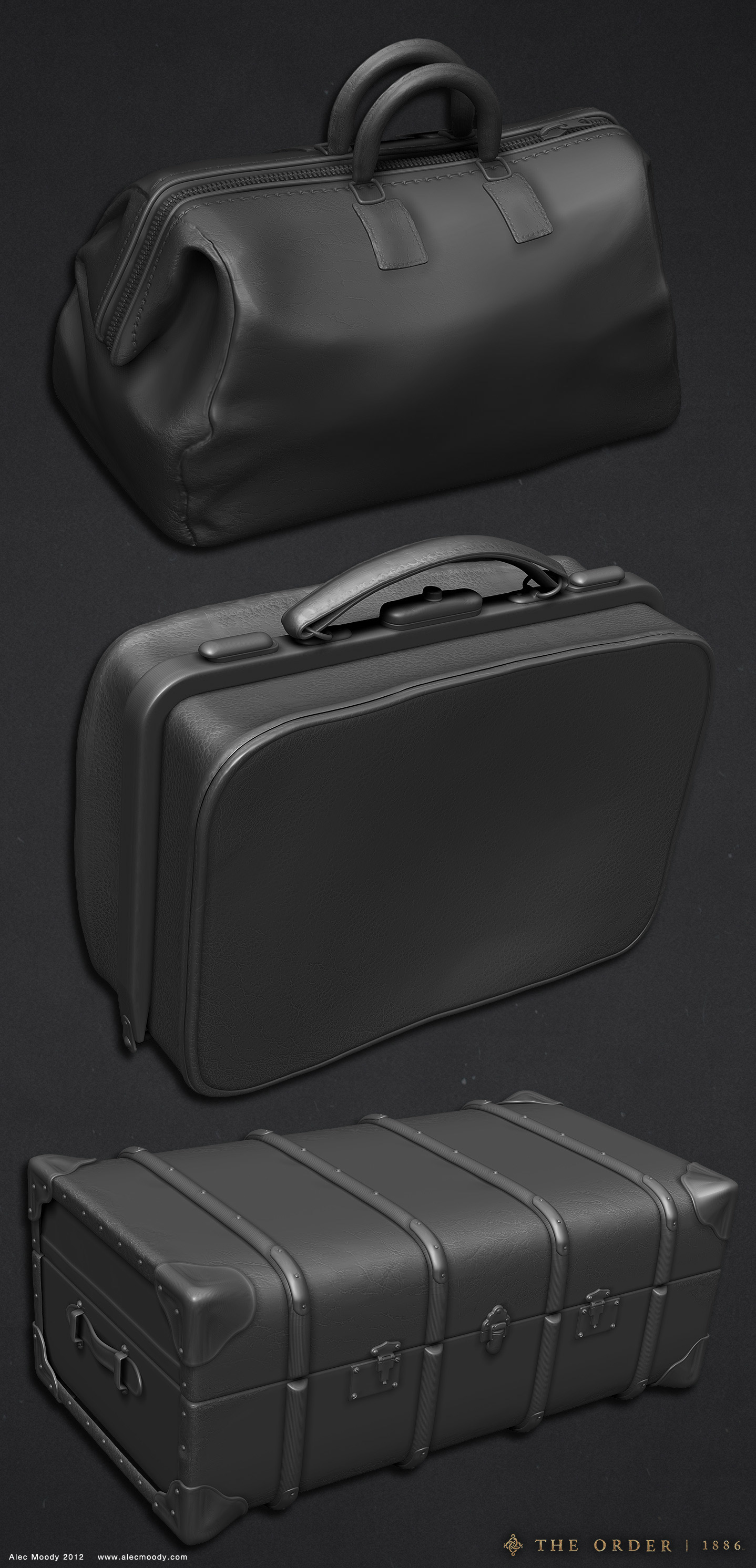
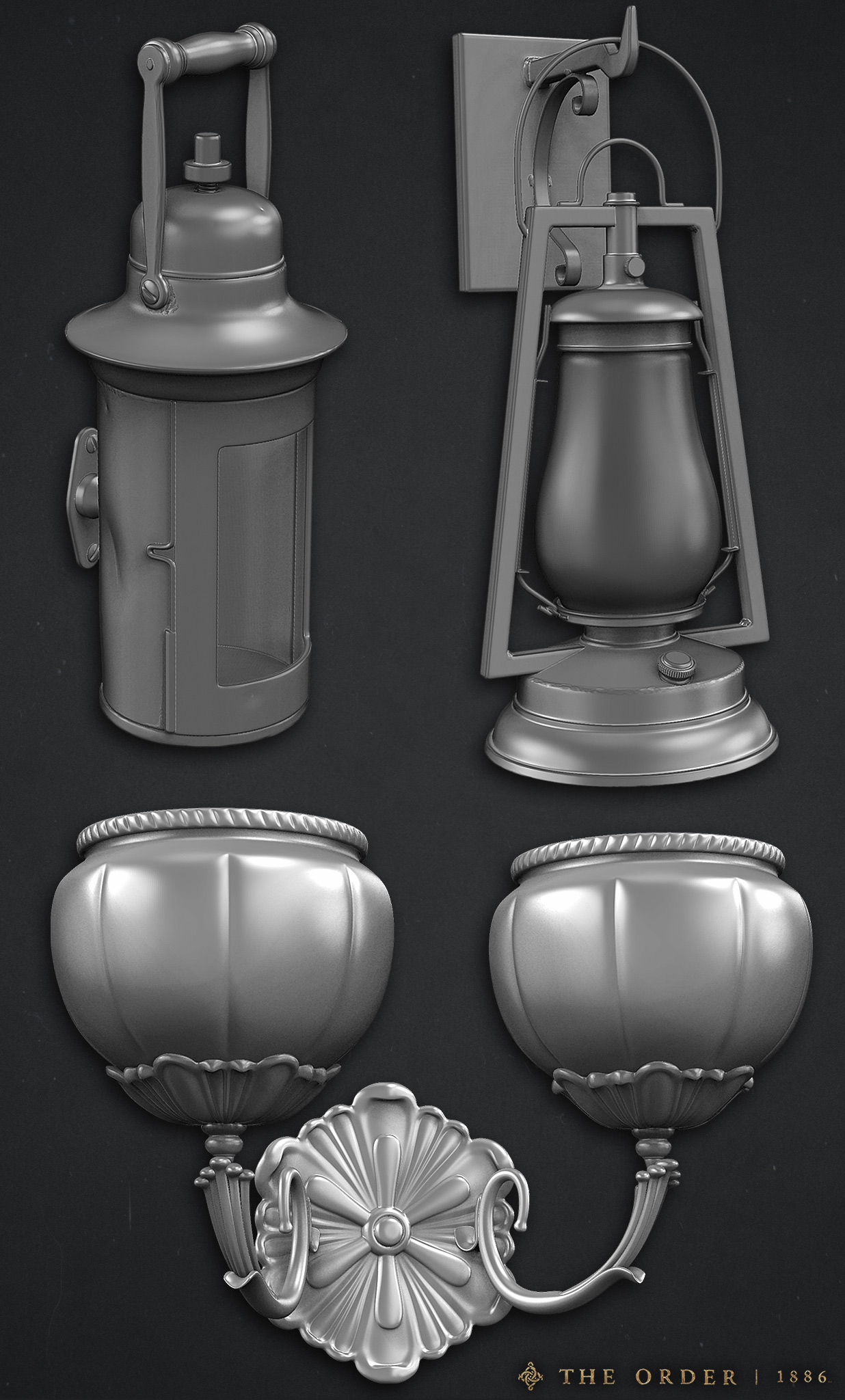
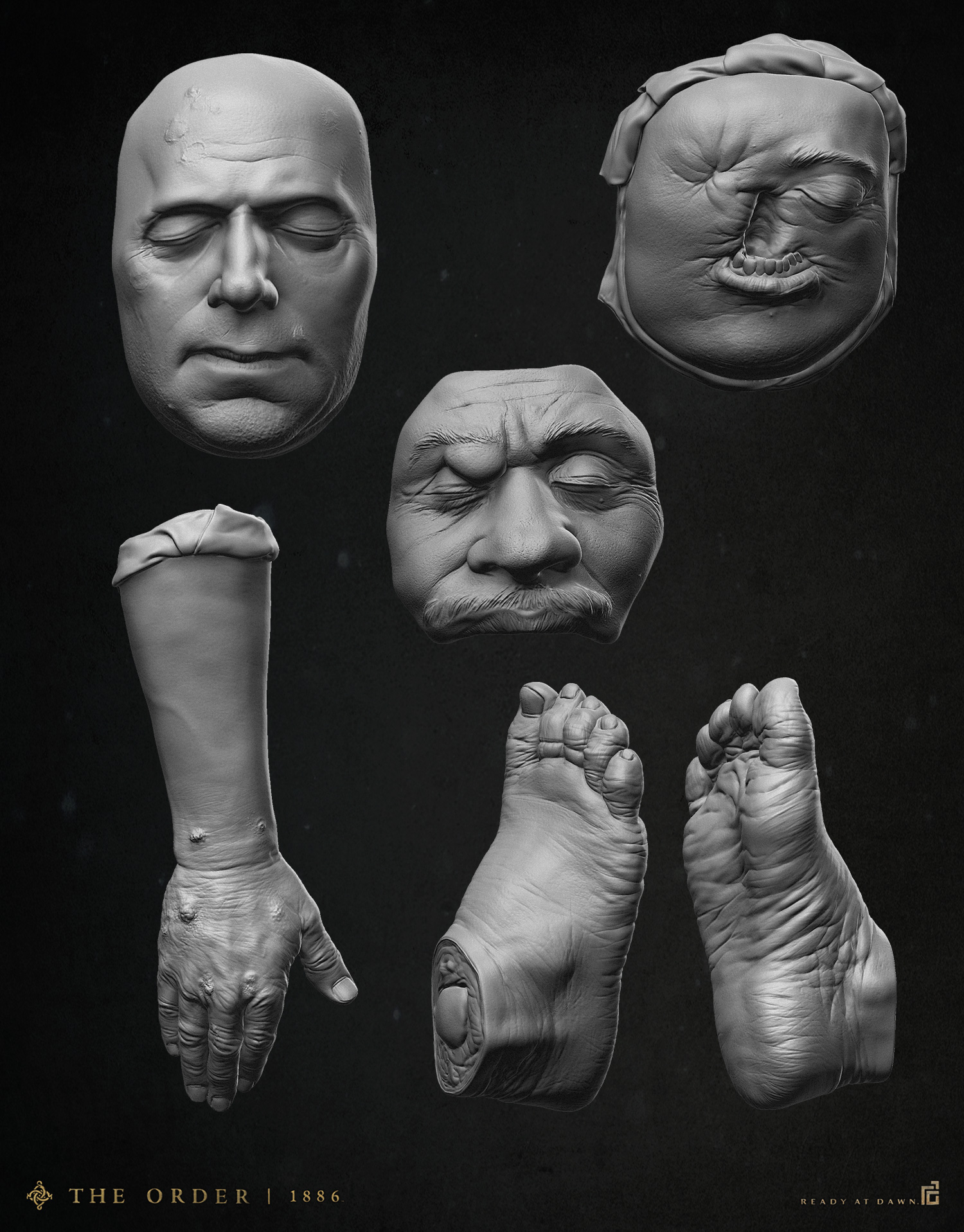
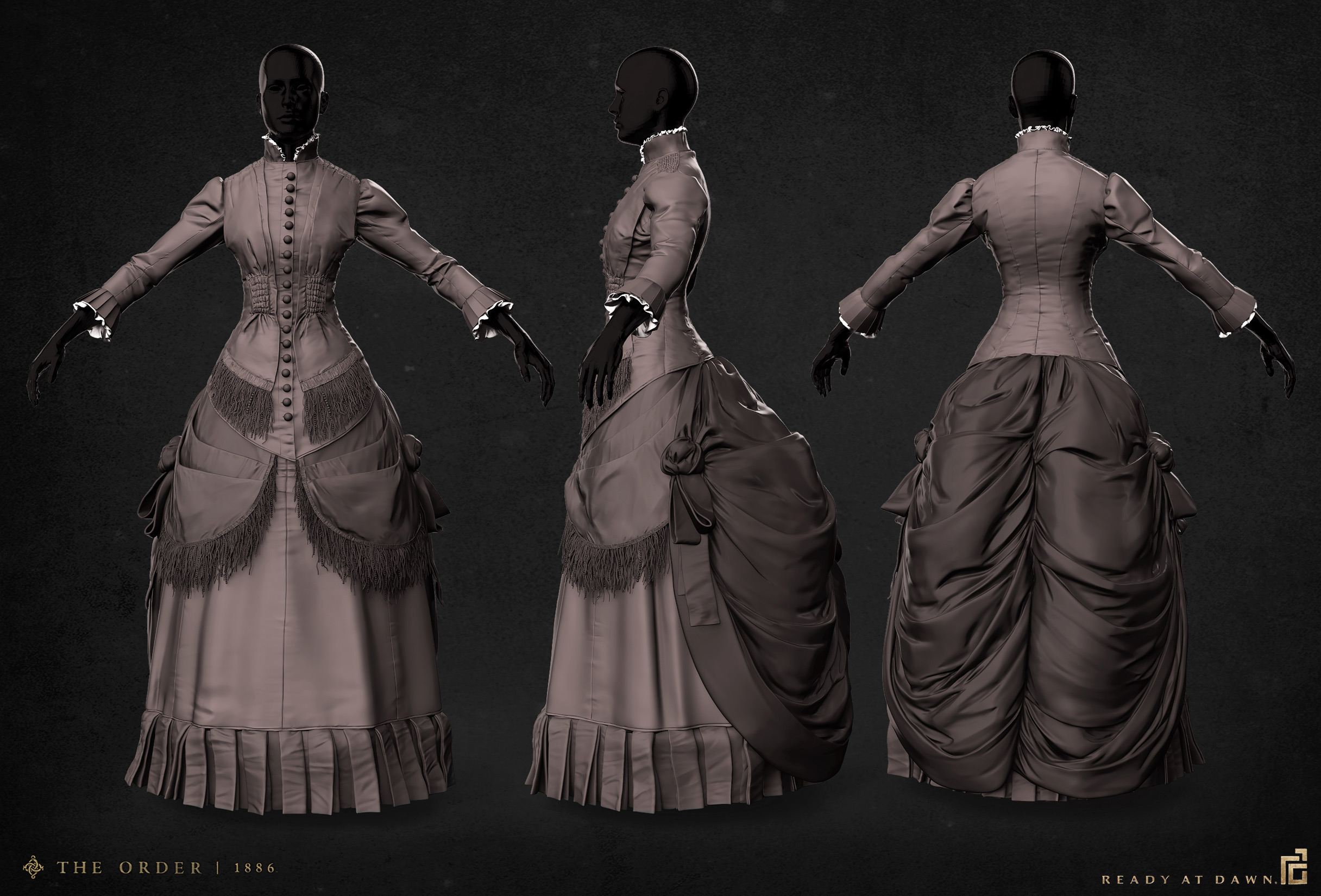
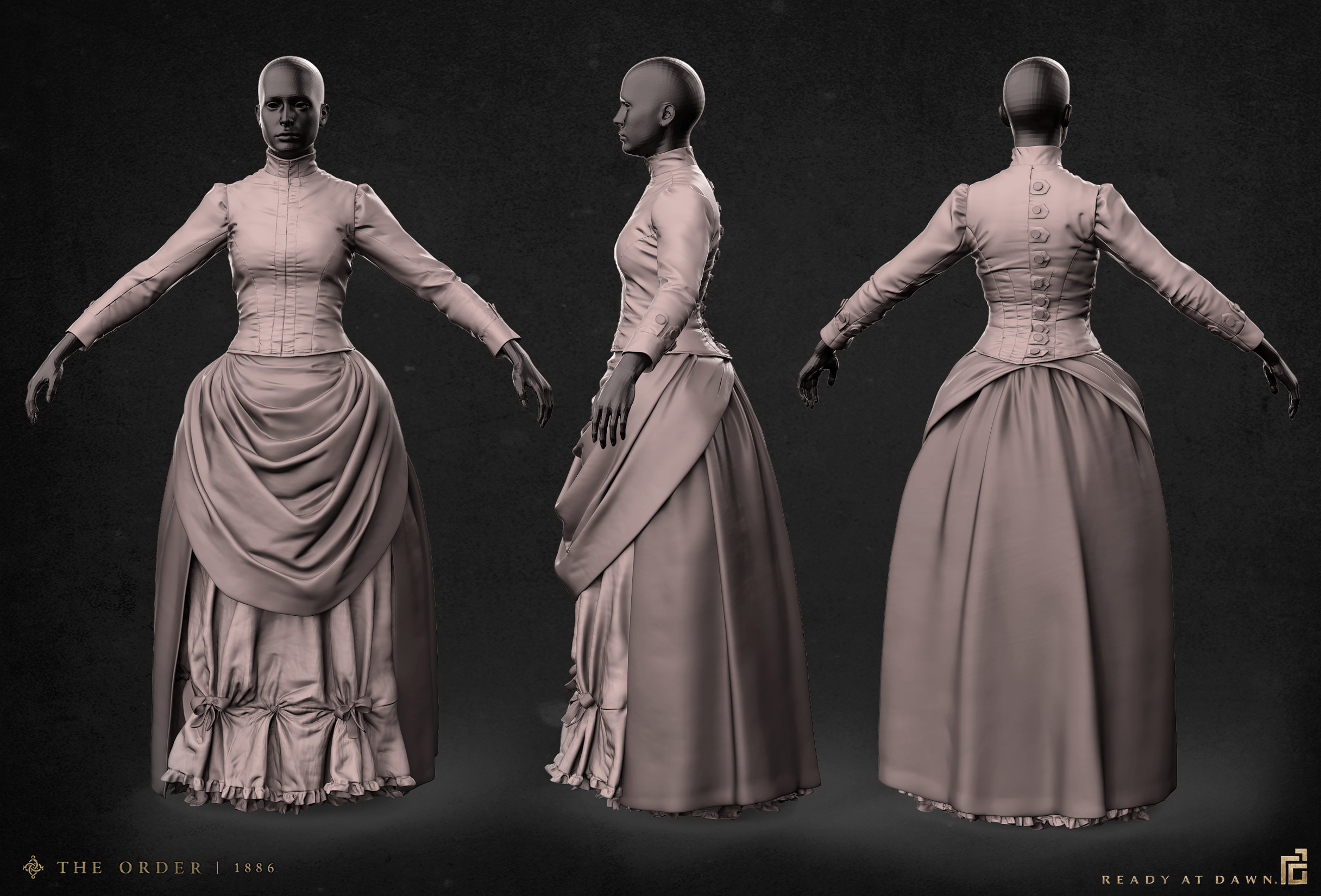
Most of the zbrush sculpts were rendered in keyshot. All the other pieces that were fully textured are the final game assets, running in our real-time engine, within Maya (same features as on the PS4).
The materials team can probably go into more details on their process, but generally speaking, most hero assets got a detailed 3d paint pass in Mari, and then went on for final tweaks and tuning in Photoshop, used in conjunction with our proprietary material compositing system. Simpler assets sometimes skipped the Mari step, but the end result was the same with our material system. We didn’t use Substance or any other applications in the process, although we are looking to incorporate it in the future in some capacity.
For more information on our material system you can check out an older Siggraph presentation by two of our graphics programmers here: http://blog.selfshadow.com/publications/s2013-shading-course/rad/s2013_pbs_rad_notes.pdf
Just scroll down to Crafting a Next-Gen Material Pipeline in The Order: 1886 to find a PowerPoint presentation on the material system and video showing our 3d scanning process for textiles.
The hair on the characters were done by the texture / materials team, so one of them can expand on it further. Adam can speak to so of the character topology, poly budget, and creation time questions.
Hopefully a few of us will be doing a few different talks later in the year on the art production process on The Order: 1886, so we’ll be able to give even more detailed looks at our various processes.