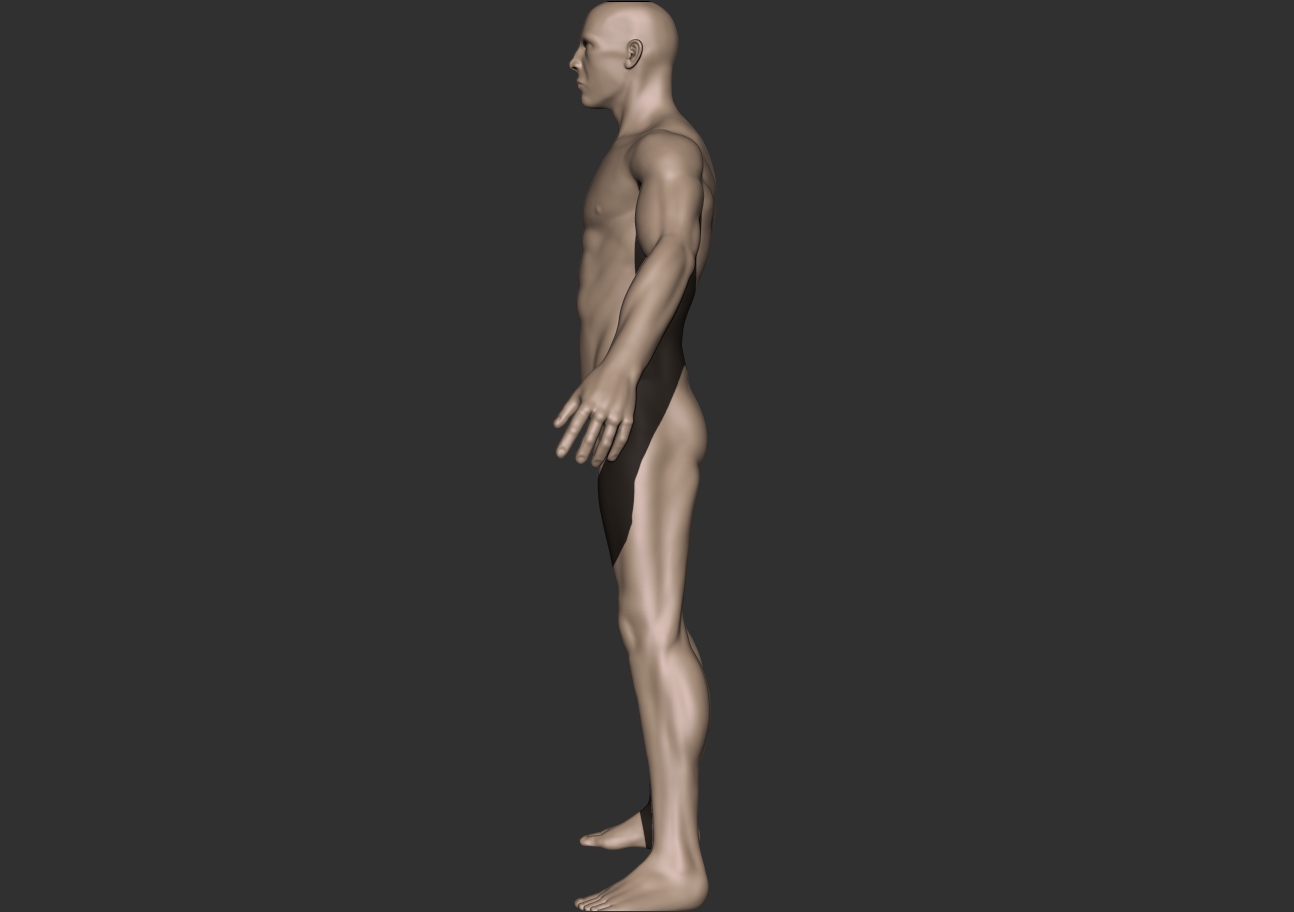
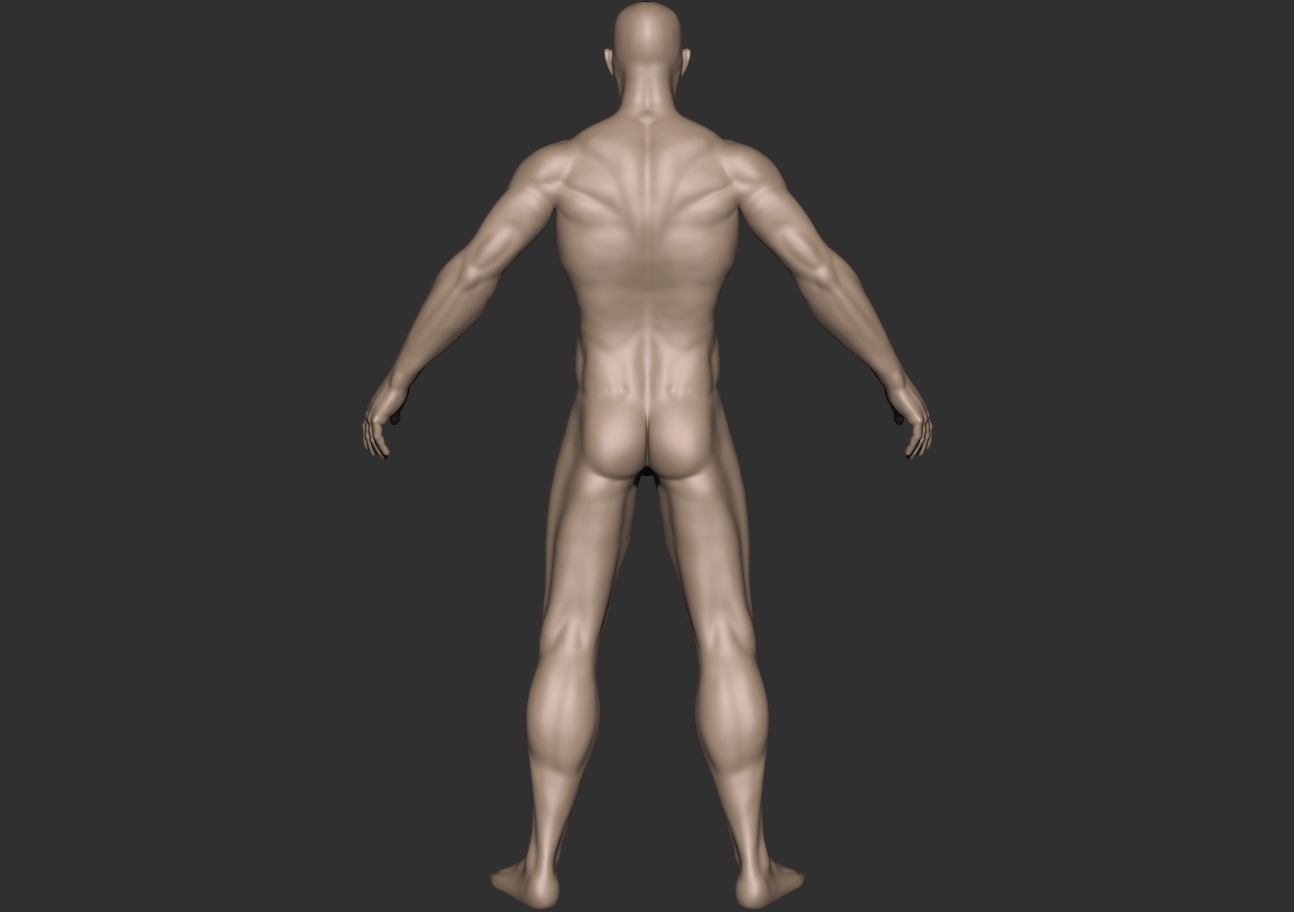
Hi.
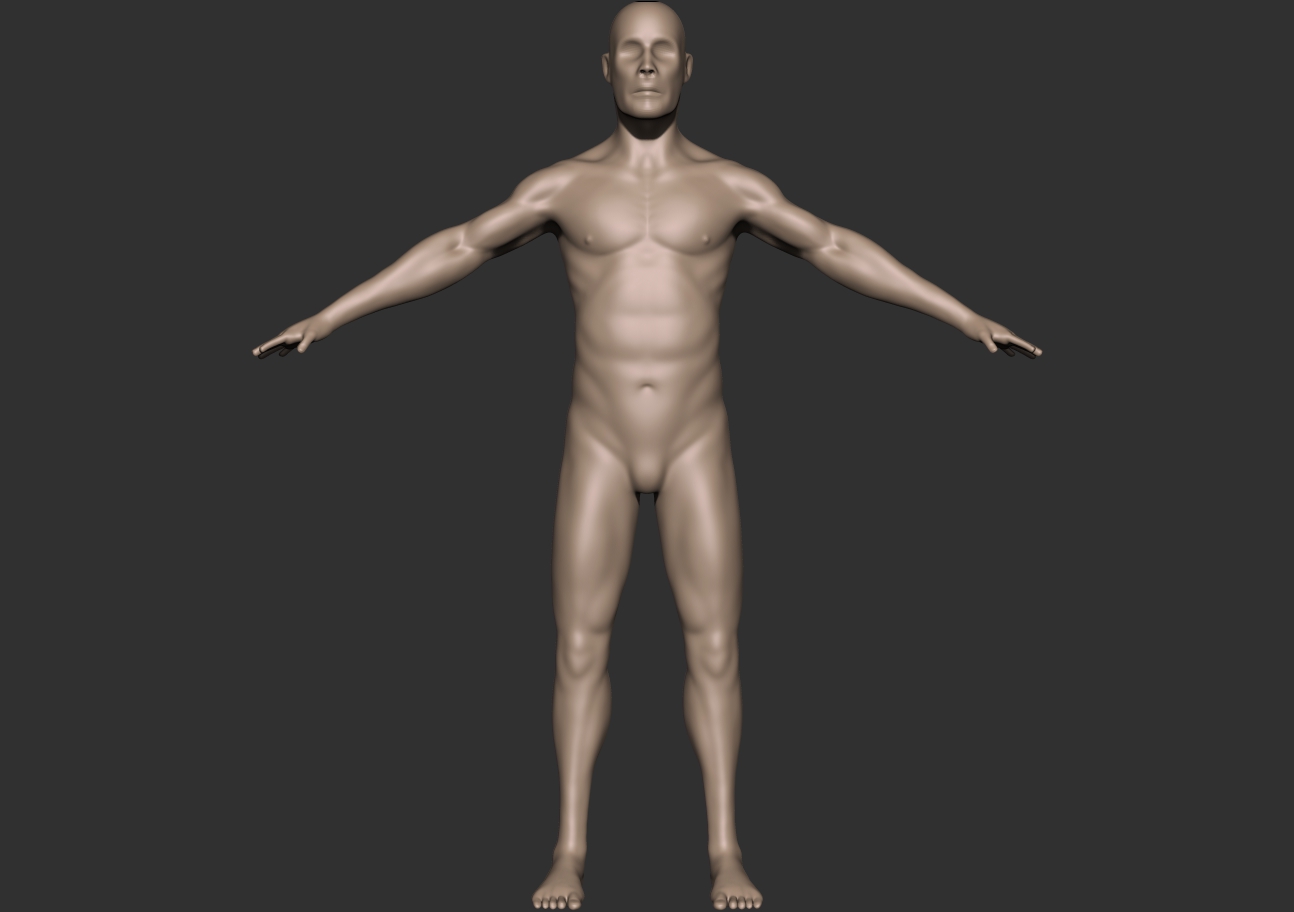
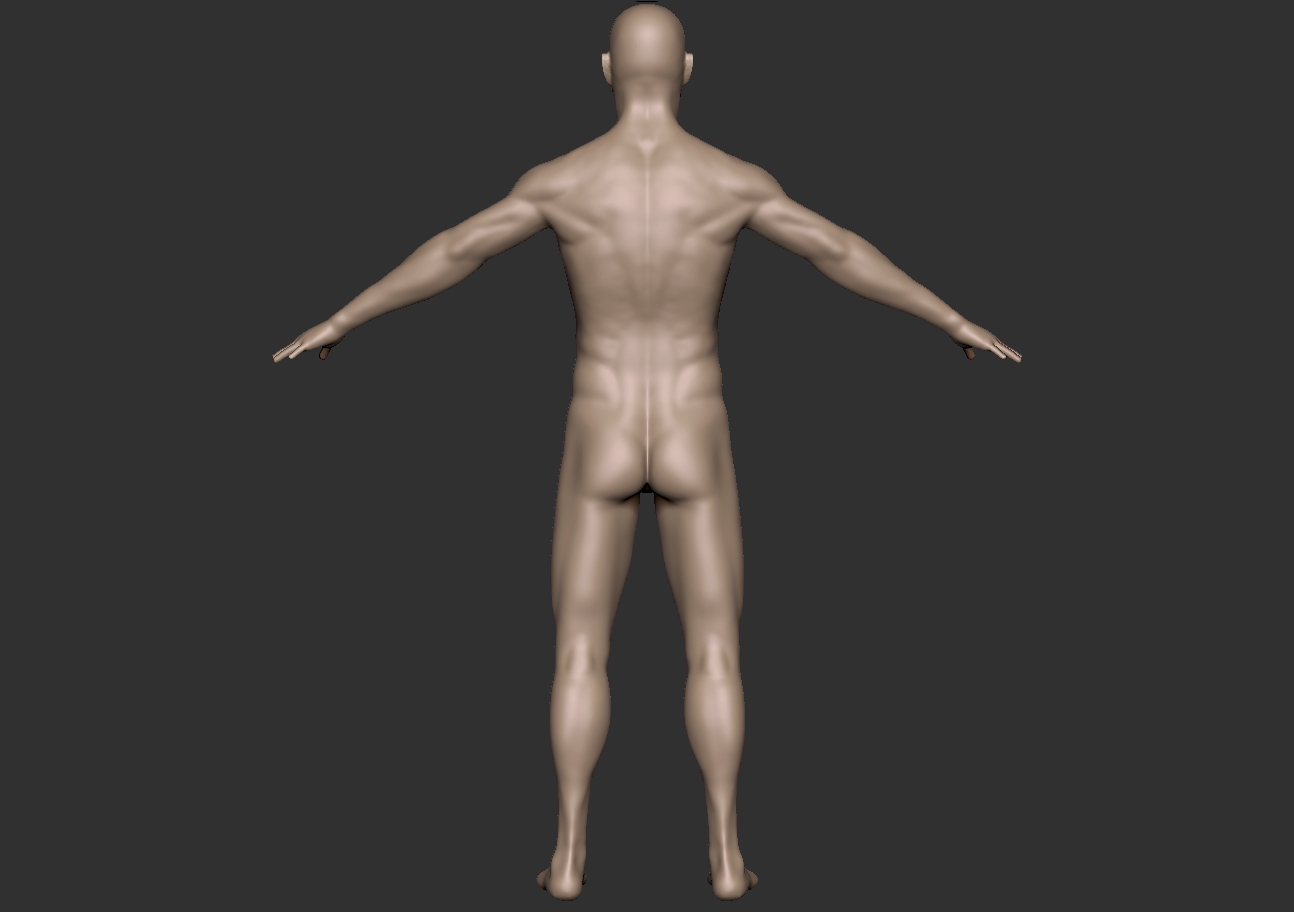
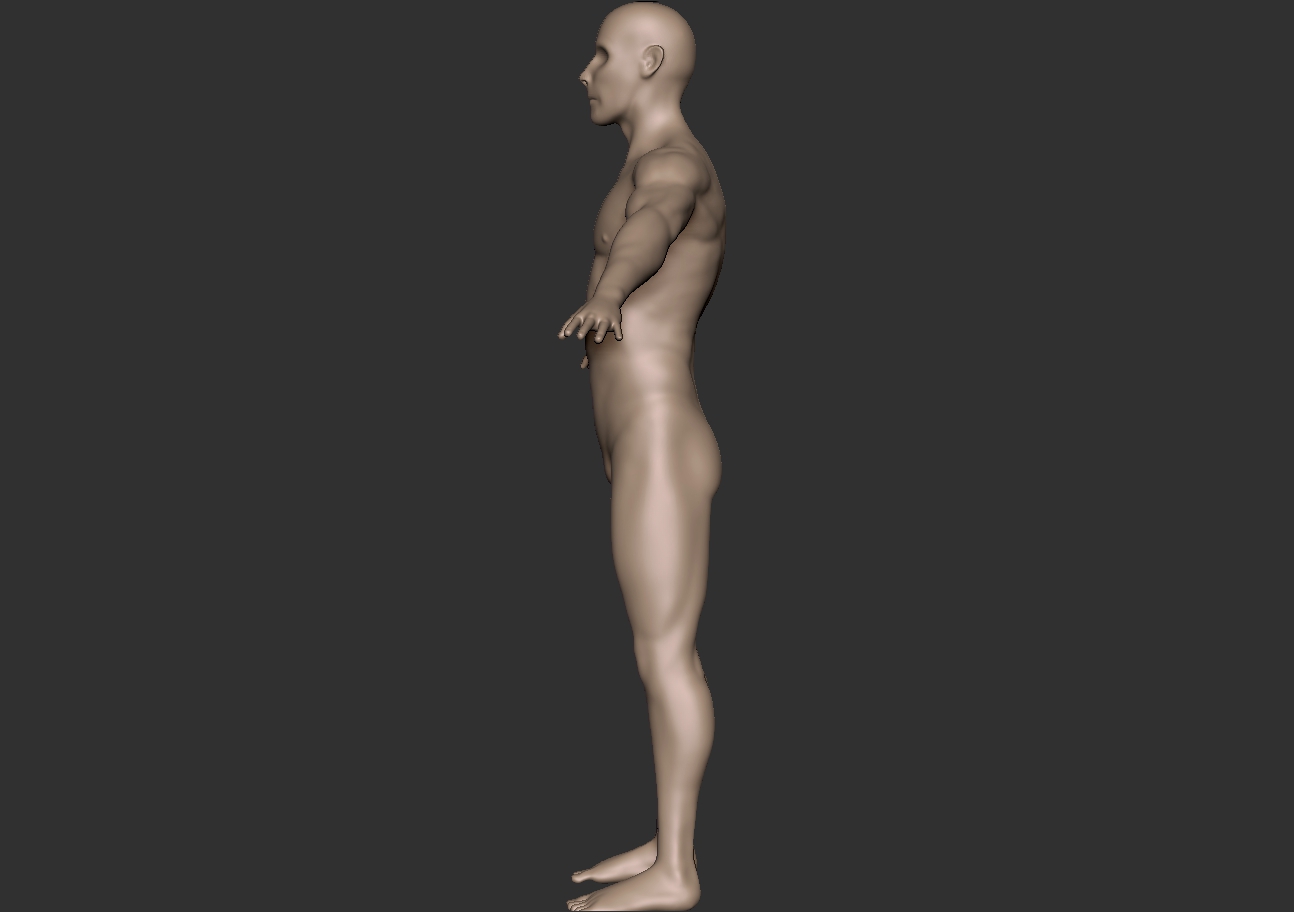
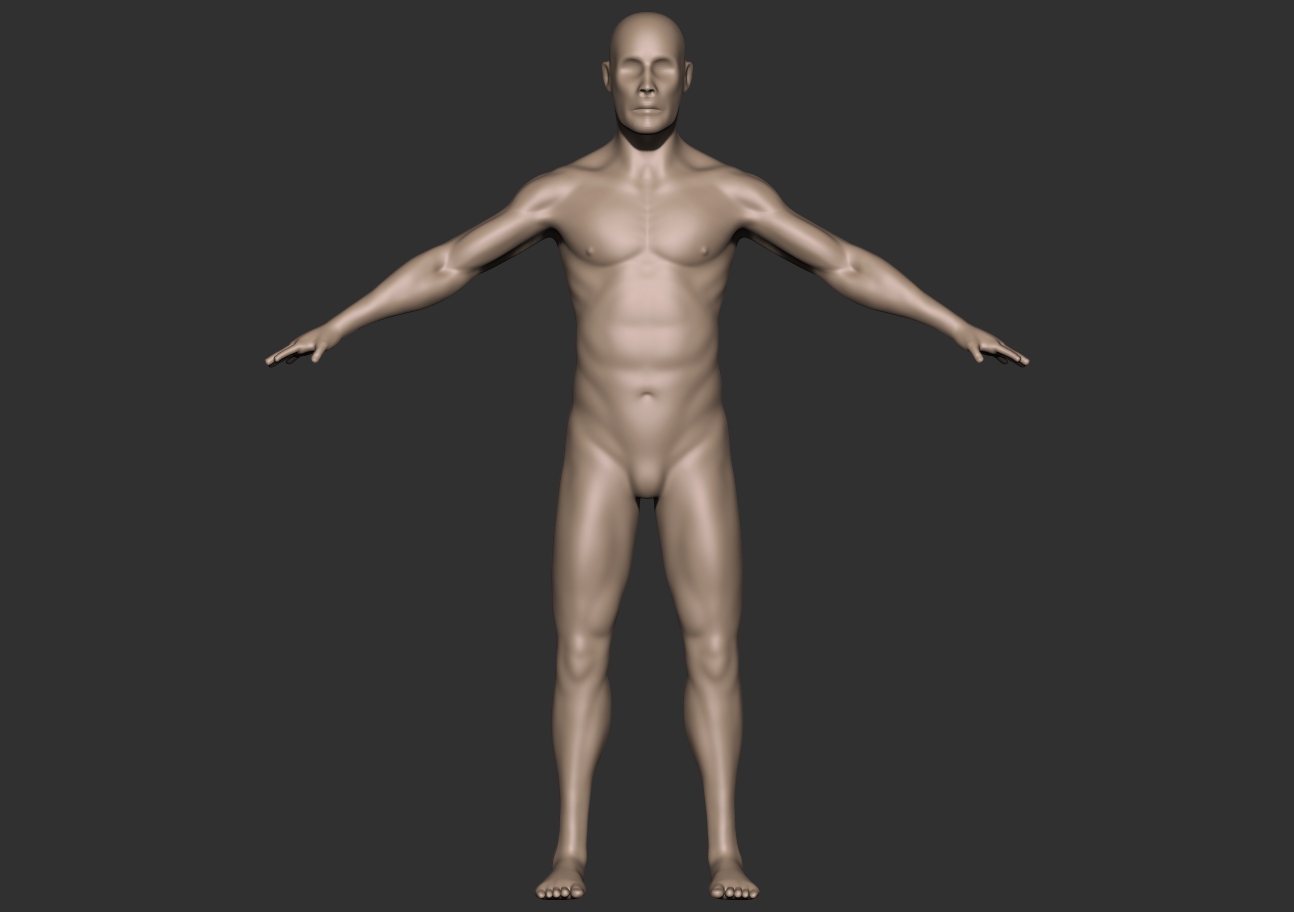
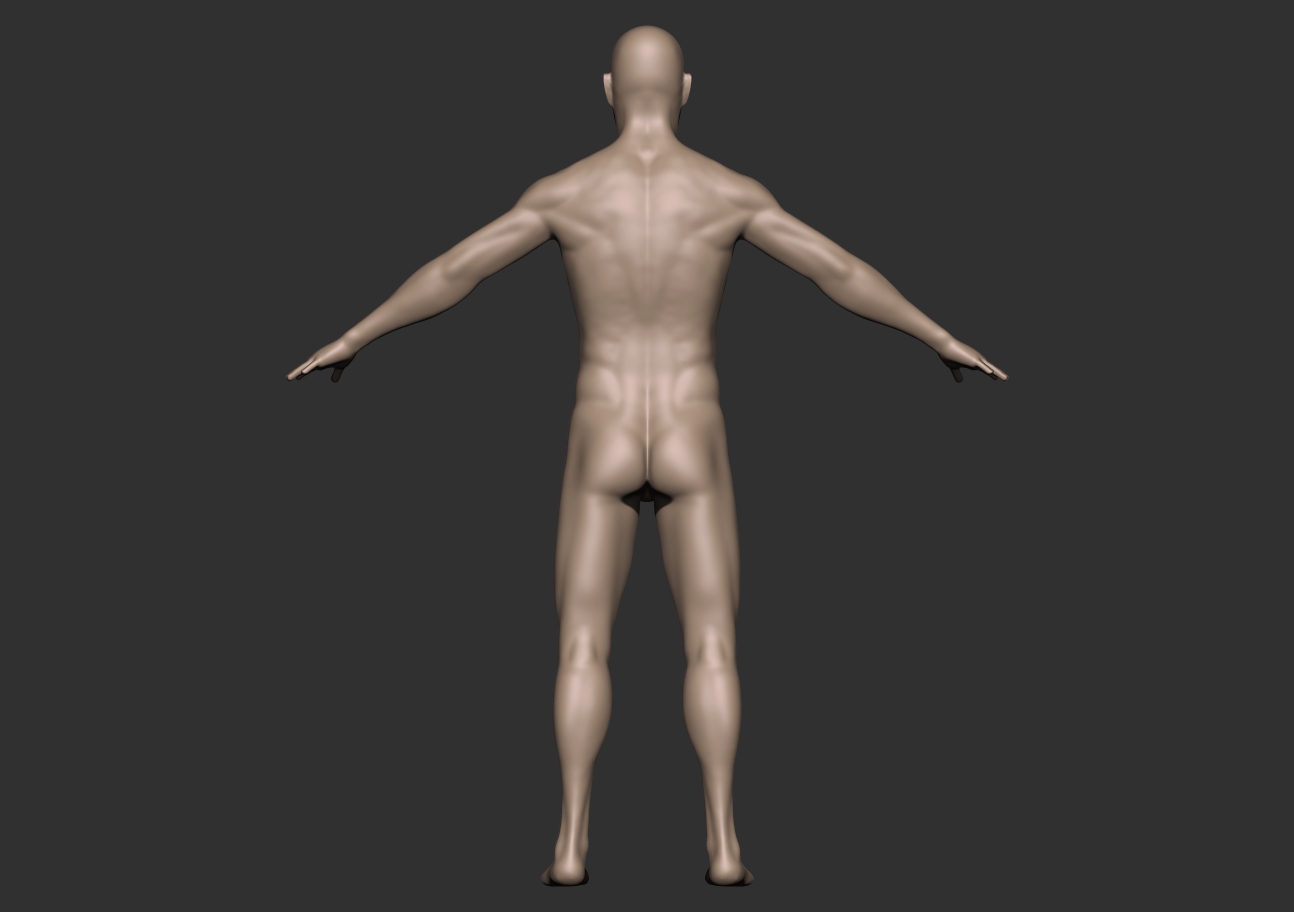
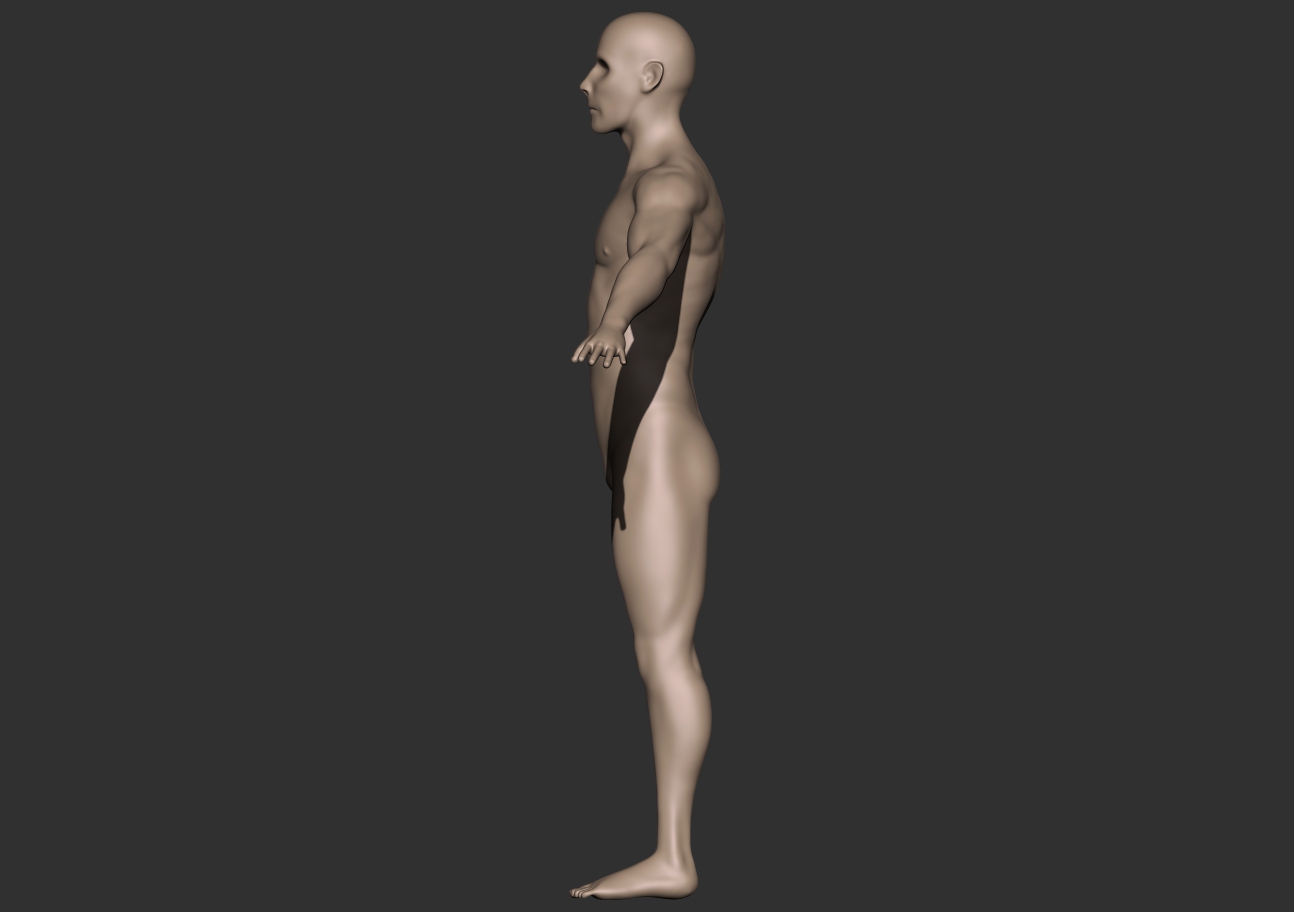
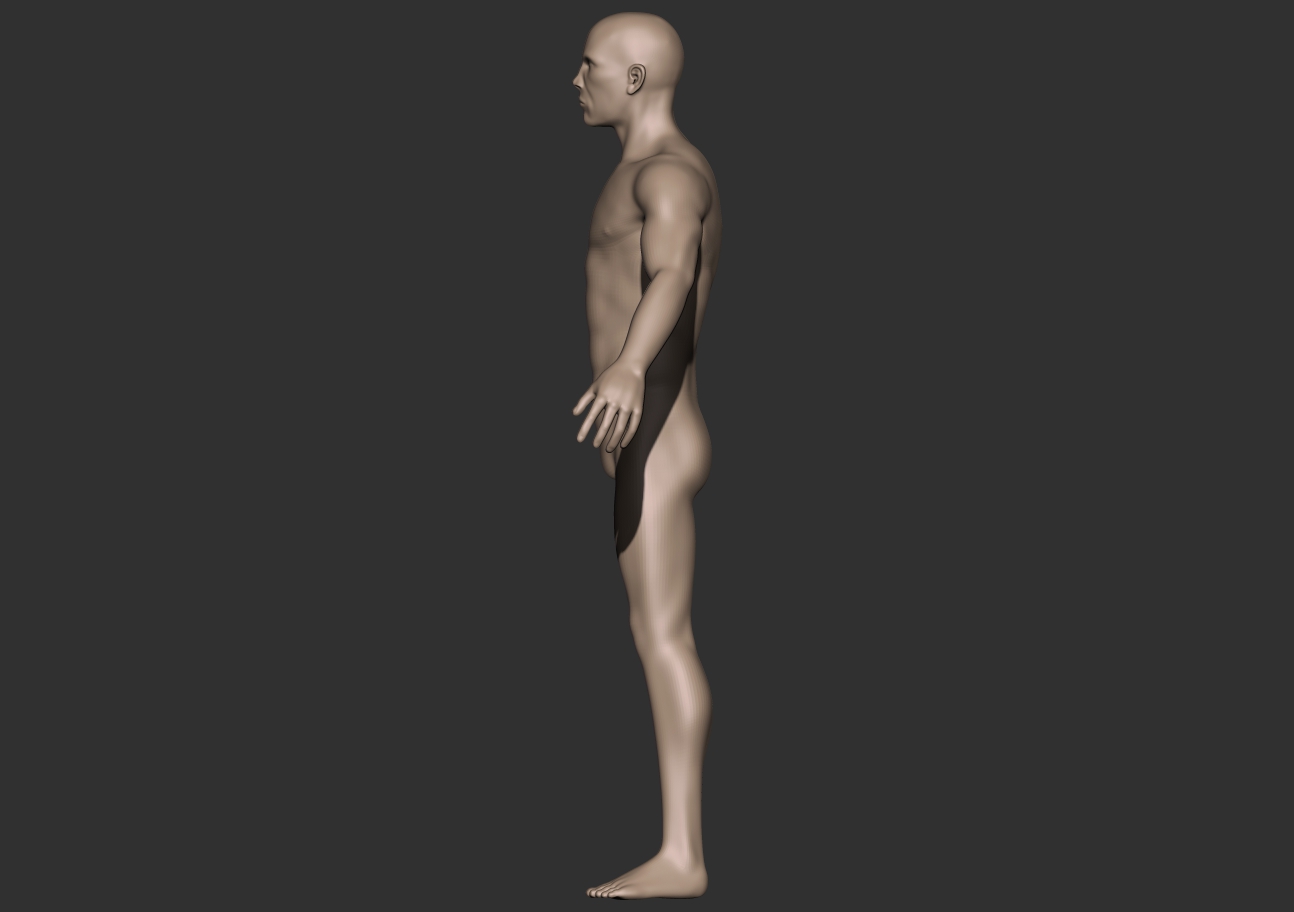
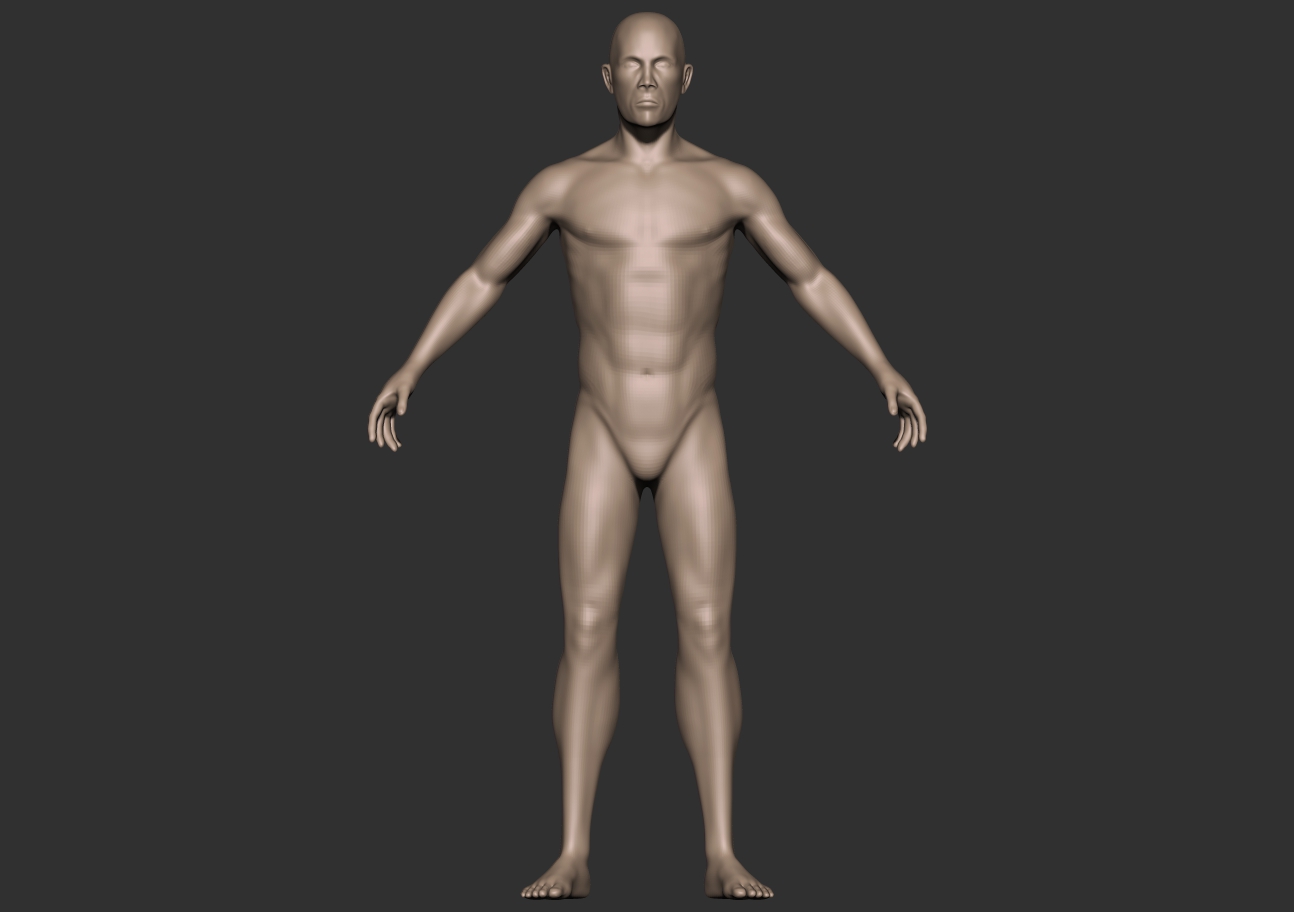
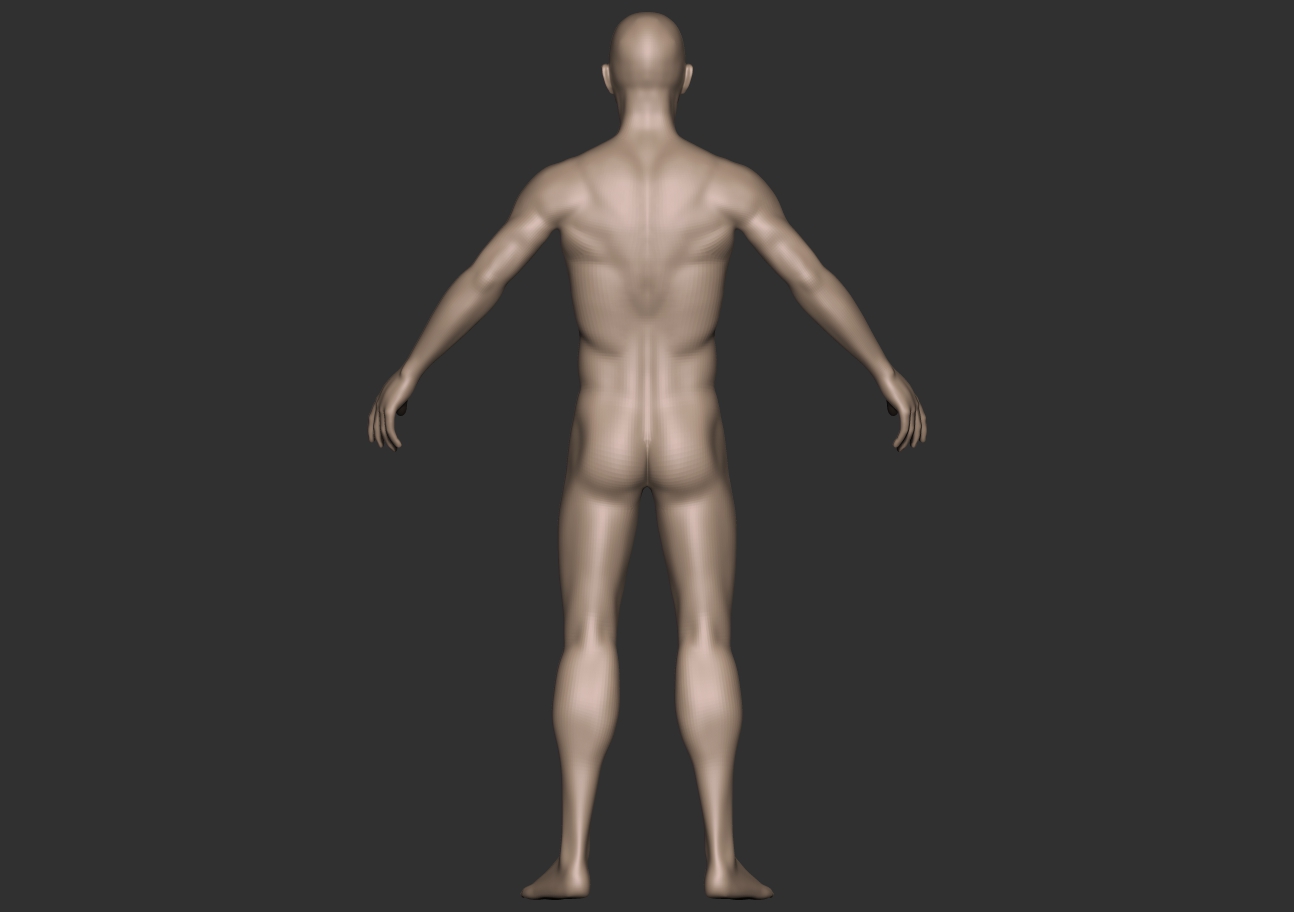
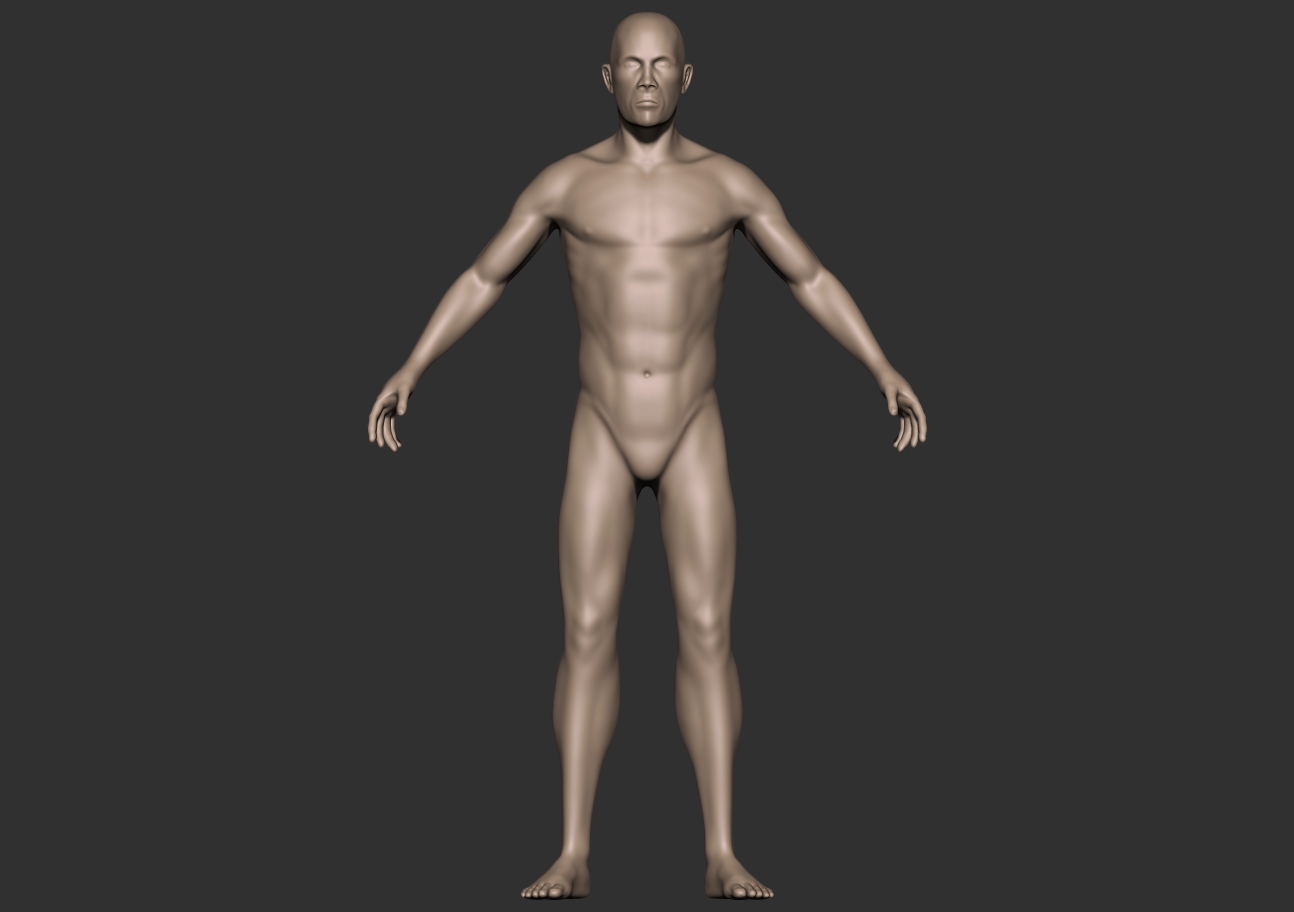
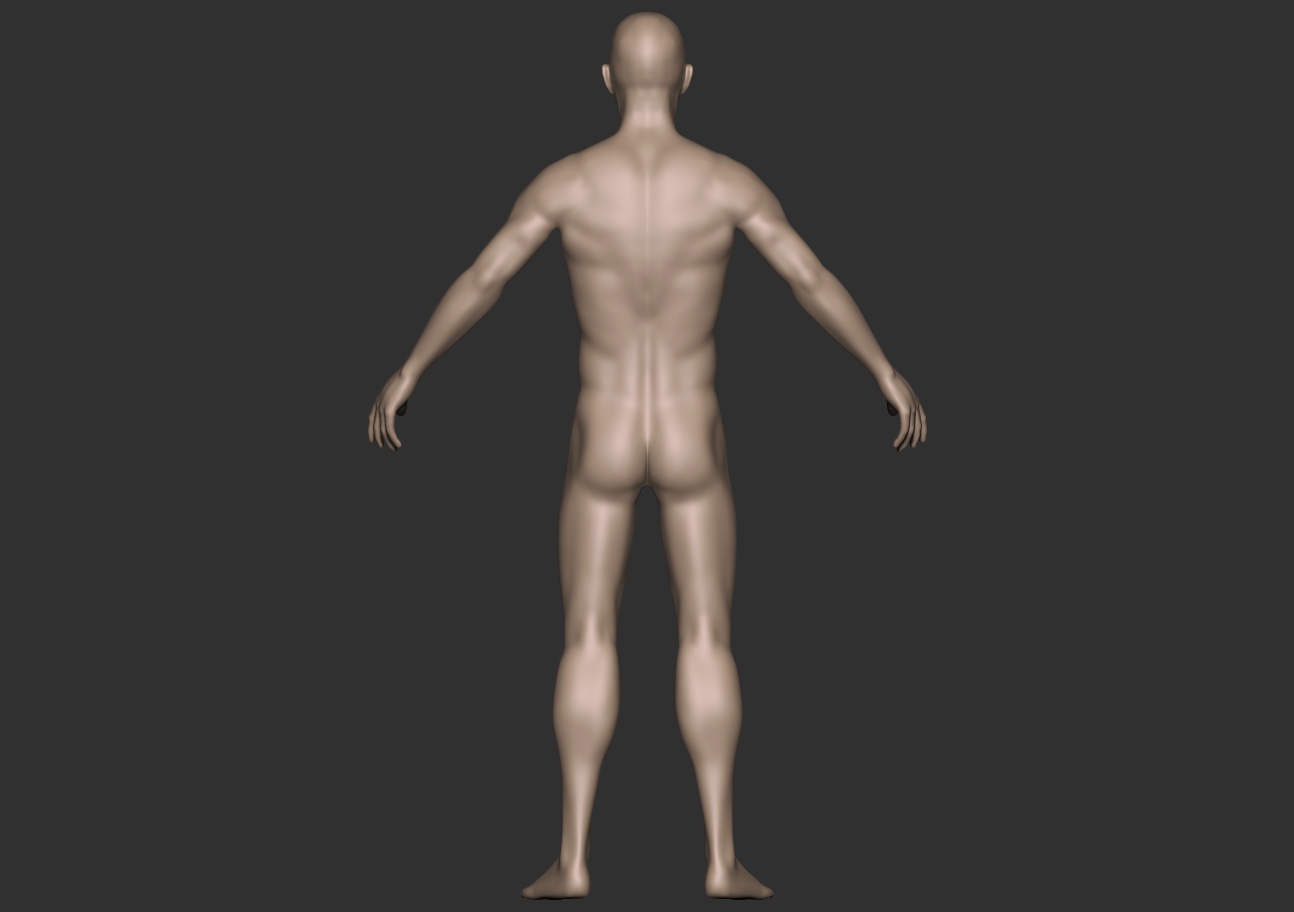
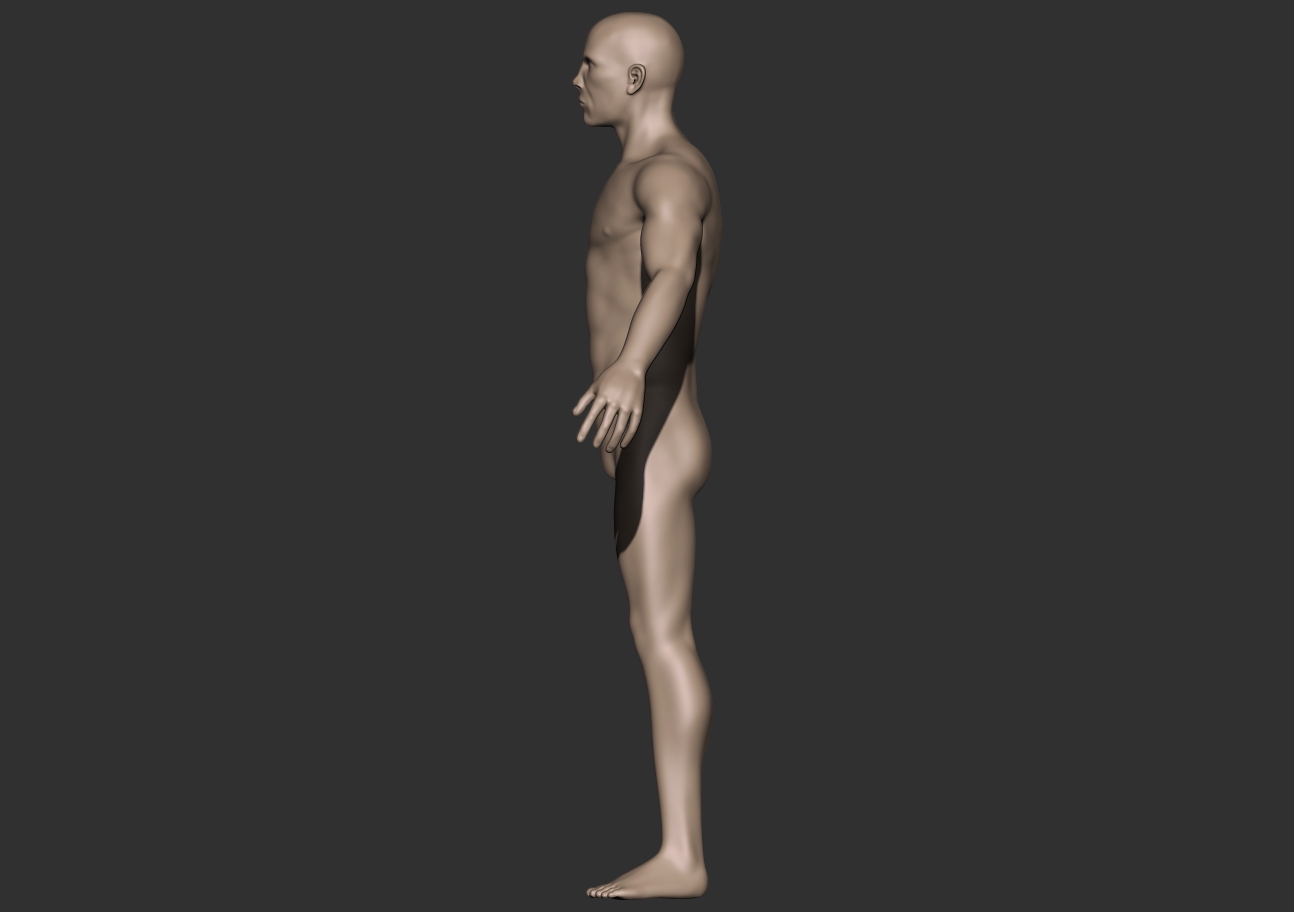
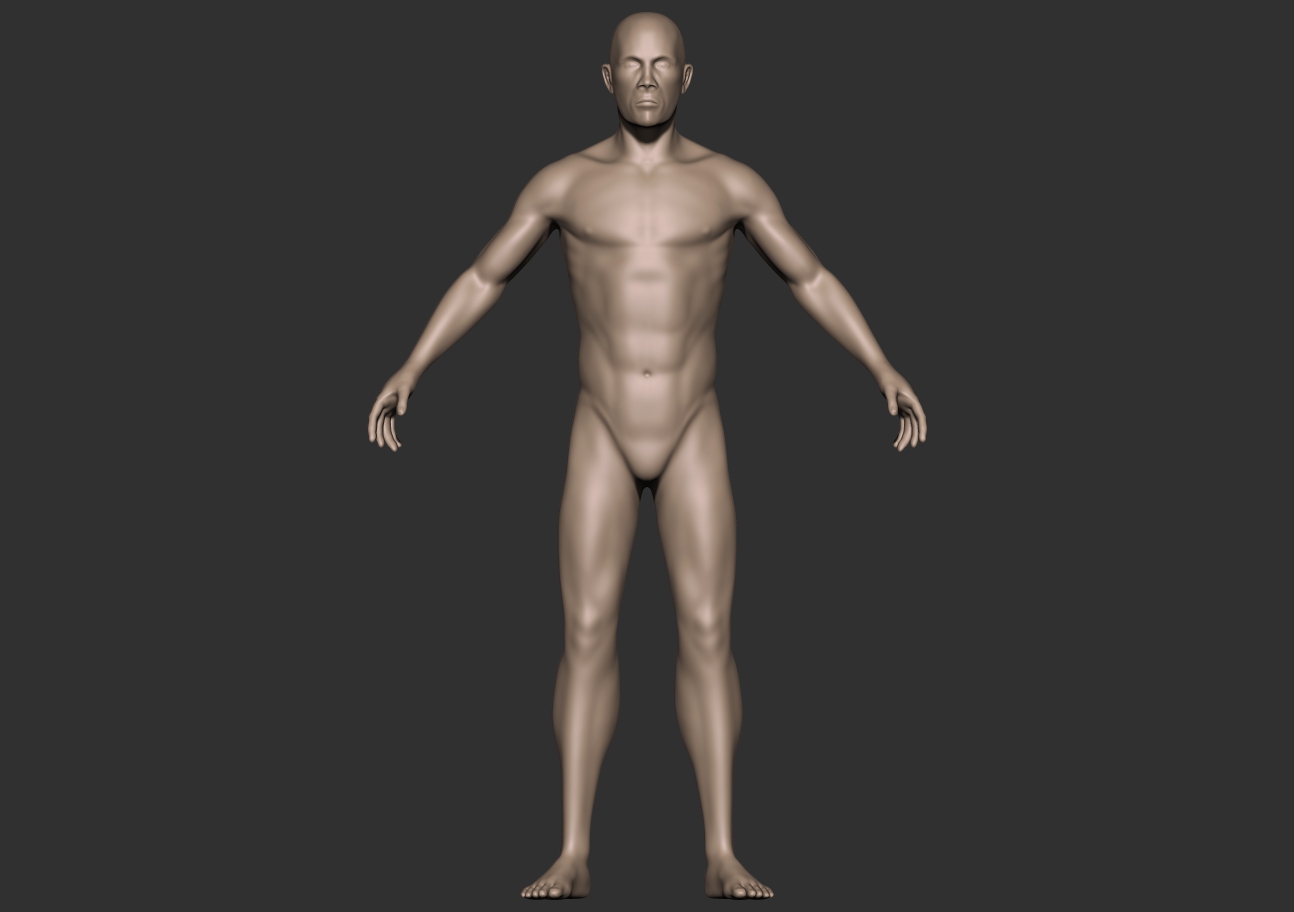
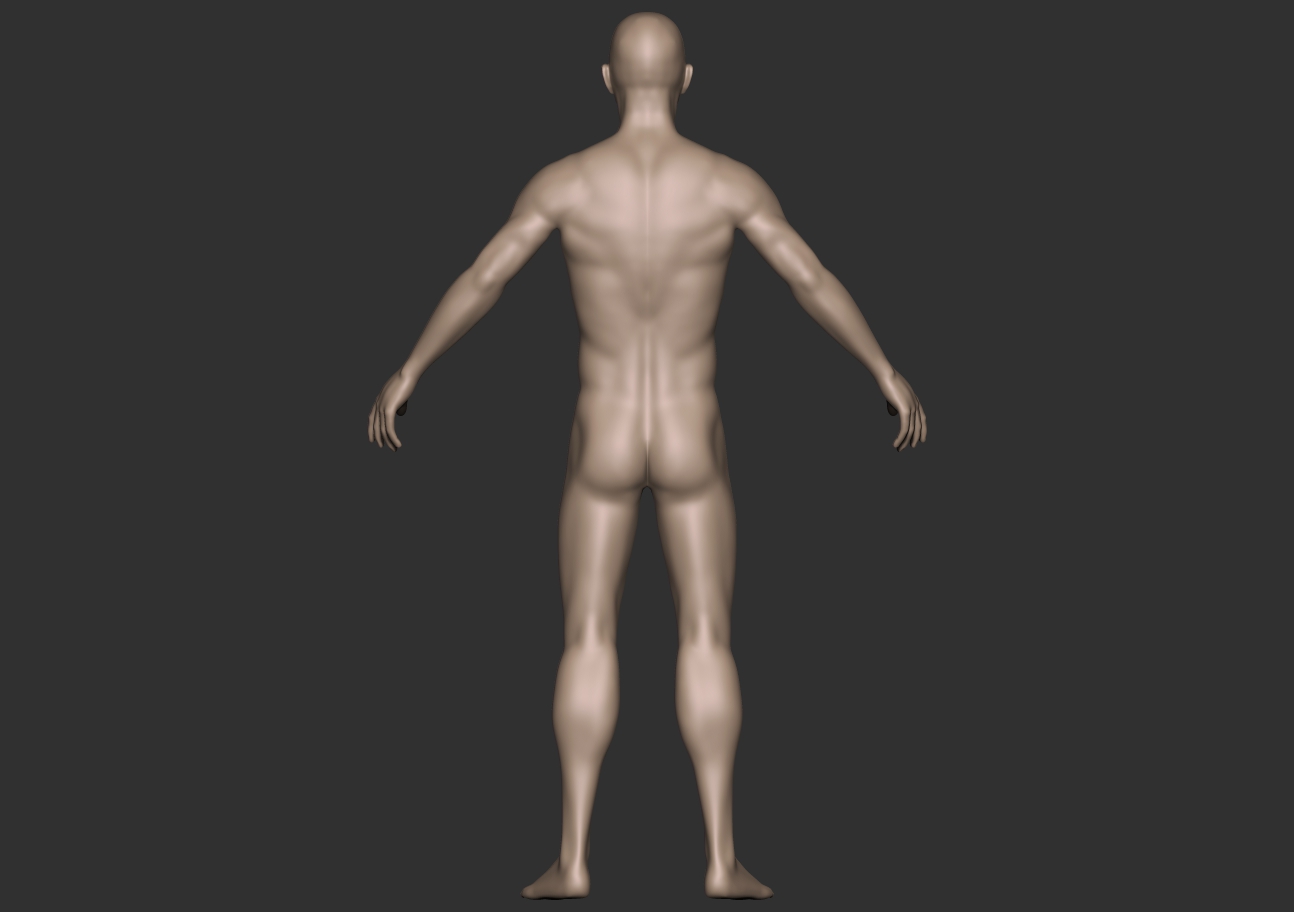
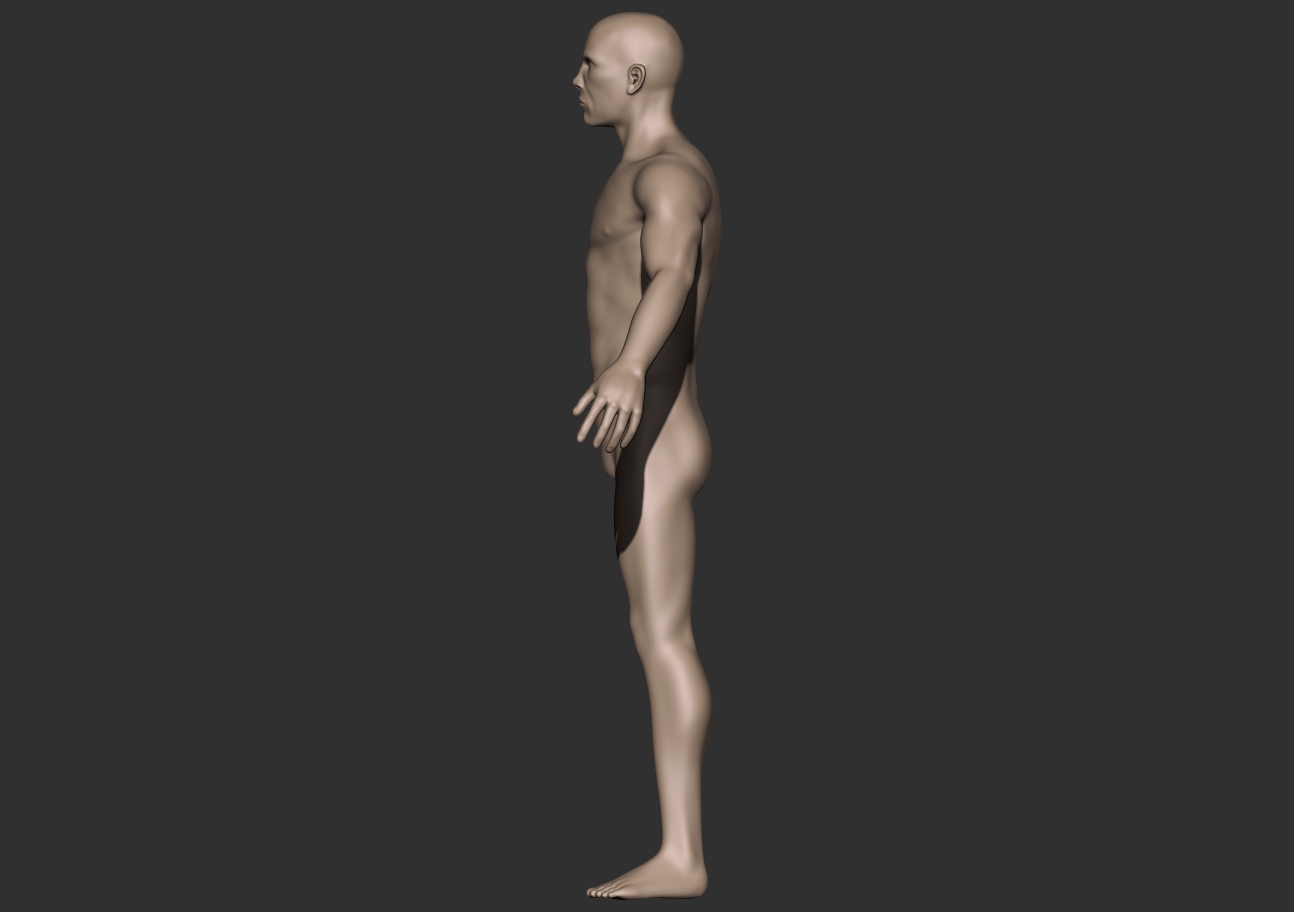
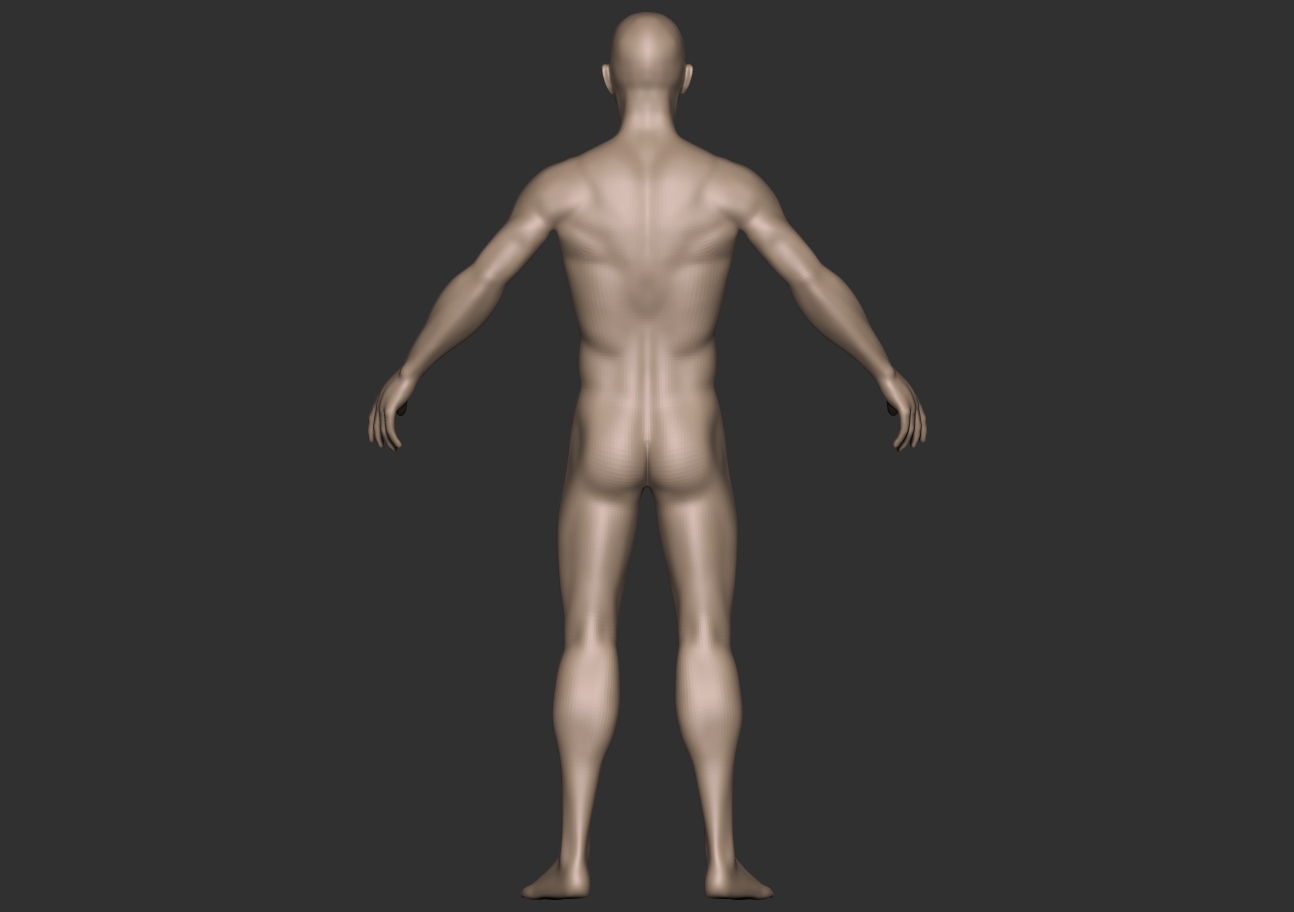
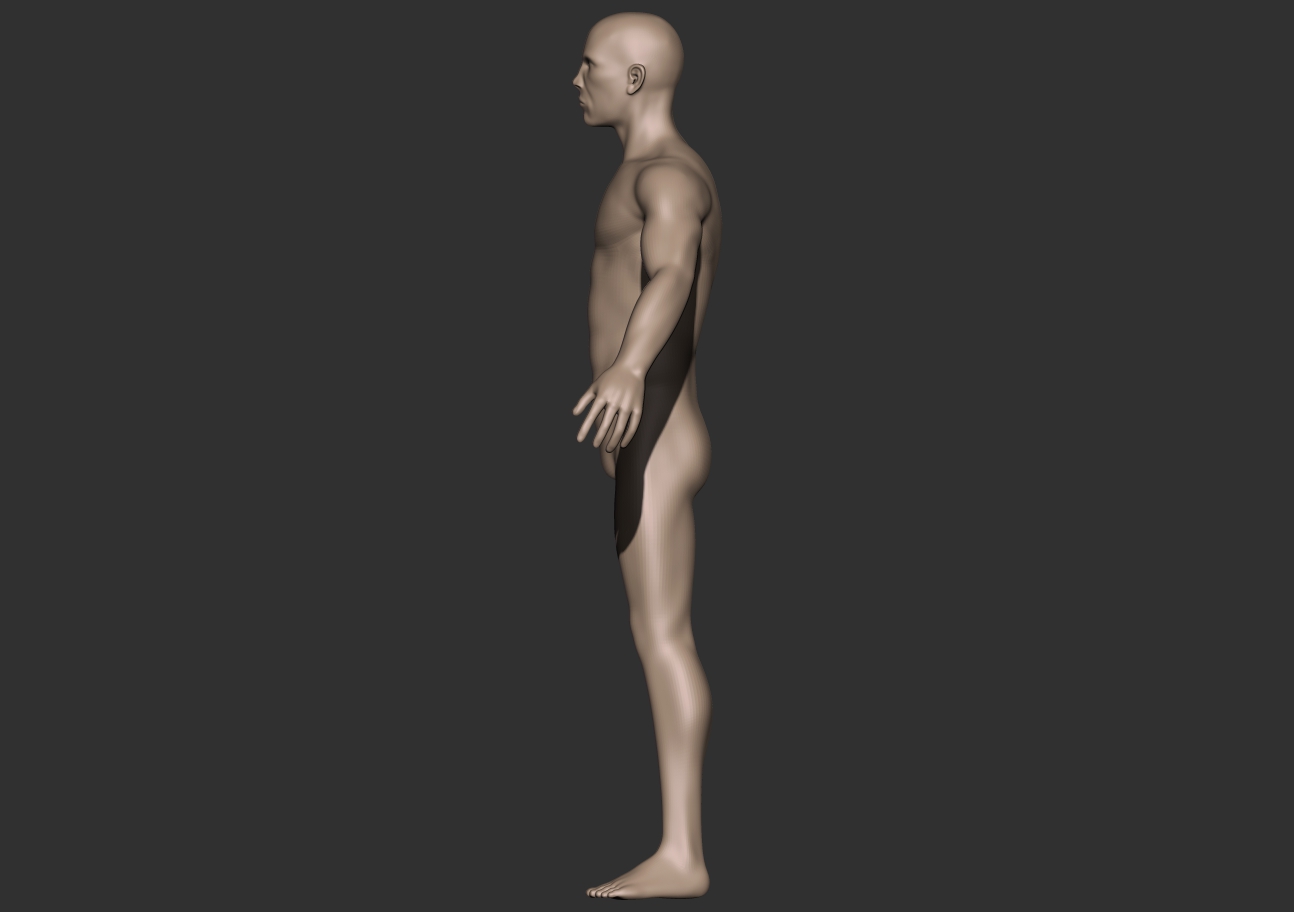
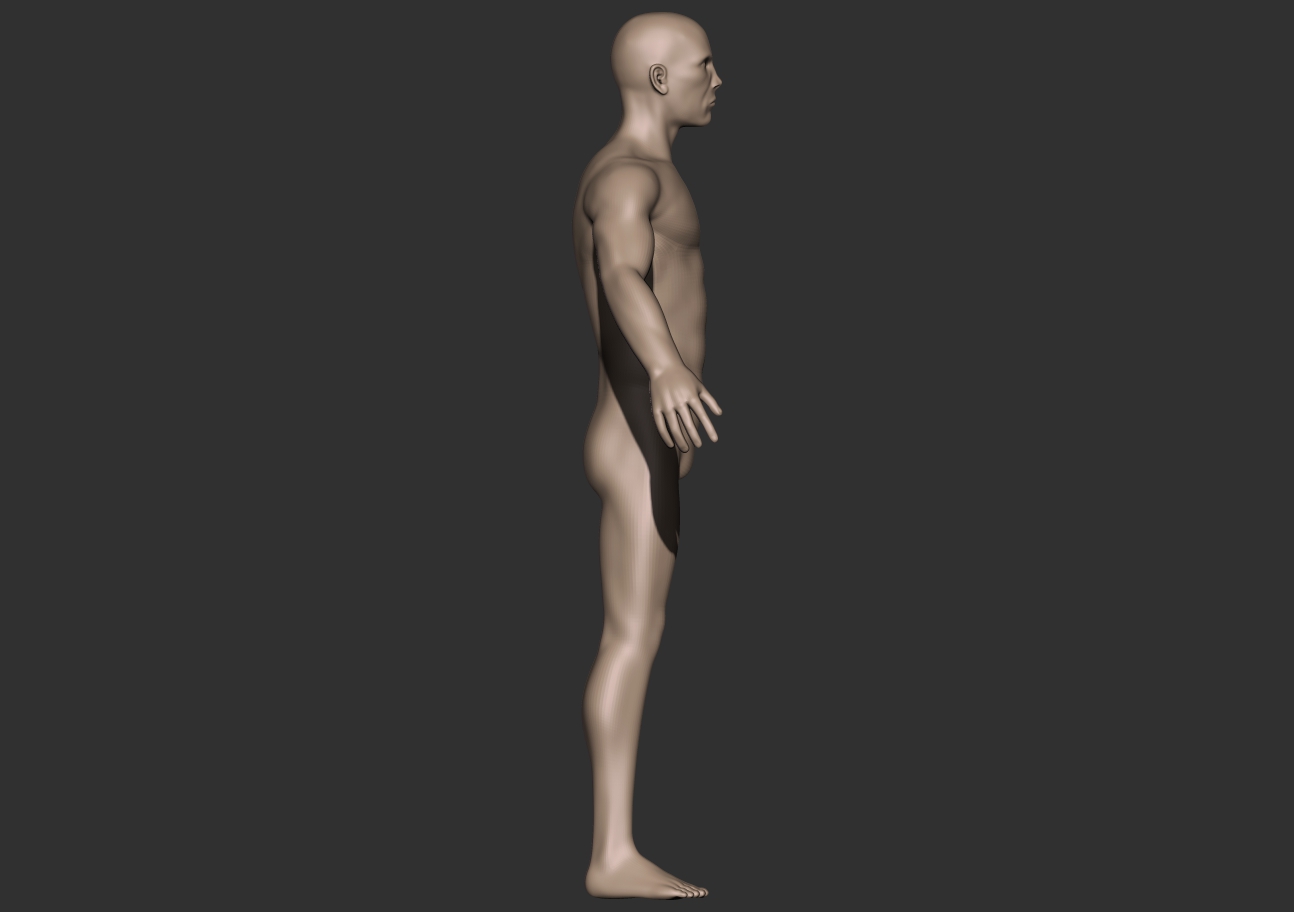
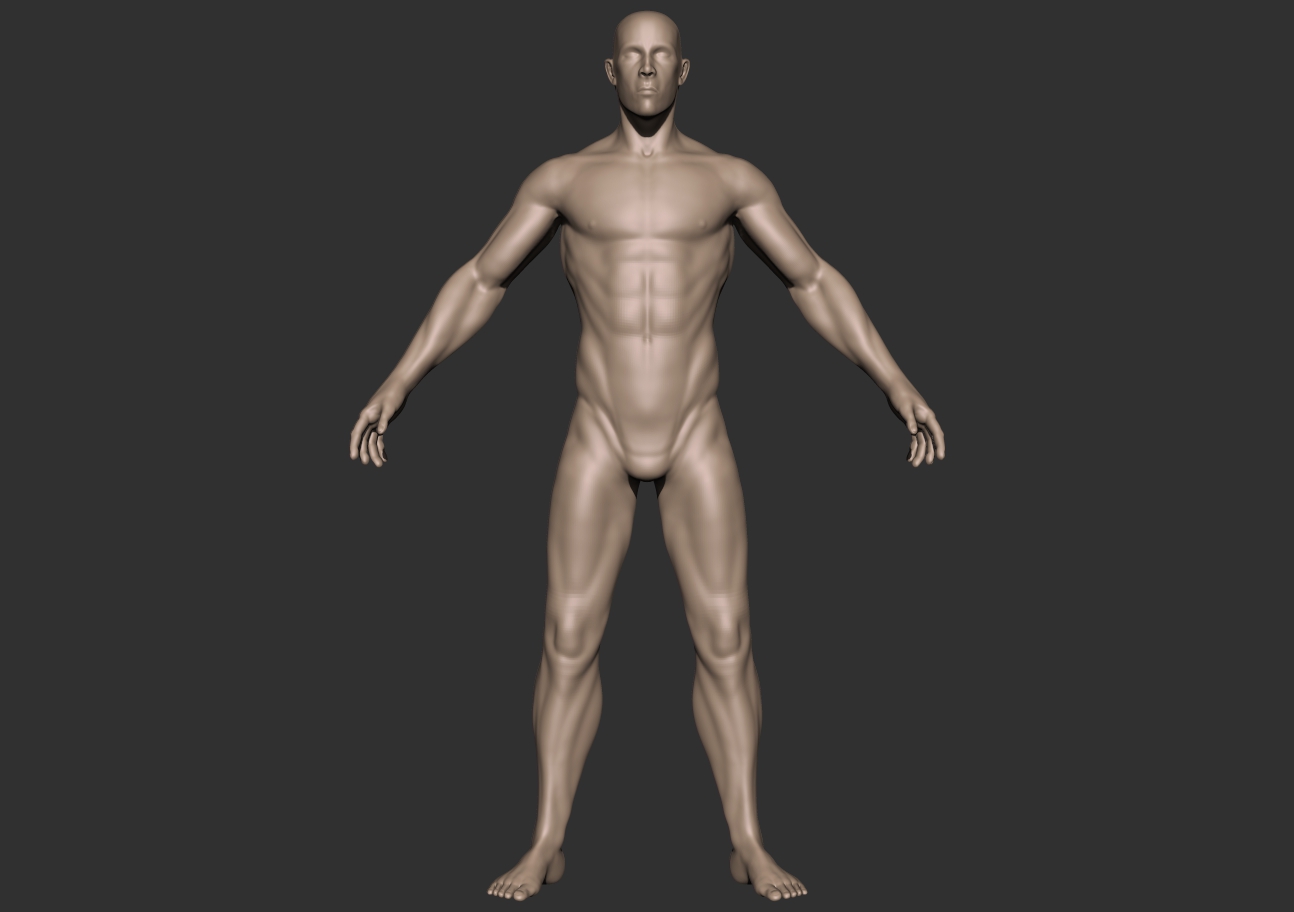
I like the extra details for the face and ears. If you really want to challenge your self, see how far you can push your sculpt at 2 sub D levels lower. It is the case of keep going over and over it, but you need to develop some forms that are missing, or out of place right back at the lowest Sub D level, or within the first 3 levels.
Starting at the head, look at the forms and how they relate to each other. Take a screen shot, and draw the skull over it in your 2D art program of choice. If the proportions are way out, then your find you self having to stretch and distort the skull to fit your model. If you draw a horizontal line through the line of the eyes, then measure the overall head height, your eyes should be half way. When you examine the (highest) point of the skull first, and get this correct, then your be in a better place to l look at the location of the other structures. There are allot of points of reference to scale and measure from, once you get these down, then you can exaggerate them, or modify them to just come out of the cannon or average.
So check things out like where the Occipital bone ends at the back of the skull, where in relation is the bottom of the nasal cavity . From the Zygomatic arch, where in relation is the Mandible? The reason why you have to get this all right is not only will it look wrong, but your be using the head as a point of reference as to how many heads high your body is, and where certain landmarks can be taken from it.
Jumping to forearms, well this can be made simple, or more complex depending in what position your hand is rotated in, Pronation, or supination. Simply put, locate the epicondyles of the Humerus. There is one on either side, lateral, and medial. There are two sets of muscles that connect to them, the Flexors to the medial epicondyle, and extensors, to the lateral epicondyle. Think of these two sets as muscles for the front of the forearm, and muscles for the back, they either flex the fingers, or extend them. I don’t want to go into too much depth, but look how they insert either to the wrist, back of the hand, towards the Ulna, and Radius. This is a study in itself, and is one of the more complex areas of the body. Not only do you need to know where they insert and originate from, but what forms they make, im still refining this myself. In addition to the Flexors and Extensors, there are two other muscles, that connect from the Humerus, towards to Radius, im keeping it more simple terms than it is, which is why you need a good book like Elliot Goldfinger Anatomy For Artist. Again, you really don’t want to start sculpting muscles on the arms, until your sure they are the correct length.
If your serious about learning anatomy, you really need to get to grips with the terms often used, Lateral, Medial, Anterior e.c.t, otherwise the long names of muscles may distract you a bit. I’m currently going into a deeper study of anatomy right now, I know that im going to come across things I had no clue about, got partially right, or outright wrong, this is the process we all have to go through. If you want to save time, don’t go any further than bones for a while, after all they are the foundation for muscle. Everything links and fits together, and the last thing you did, will be the starting position or have some relation to the next. Its like a jigsaw puzzle, they all fit together.
Good luck. Danny.