Ok that’s your problem (ZBrush settings), try taking the mesh down to subdivision level 2 deleting the lower sub-d level, create a cage (press the cage button next to the divide in geometry section). I believe you can apply the GUV mapping now (not sure about this as I use the map I make in Max), but I think this is the right procedure for using the GUV.
Export this caged mesh as an OBJ. Now you can create the displacement map. Change the Dis map res to say 2048 and click create displacement map, don’t raise the divide sub-d levels leave them. Export this as a TIFF.
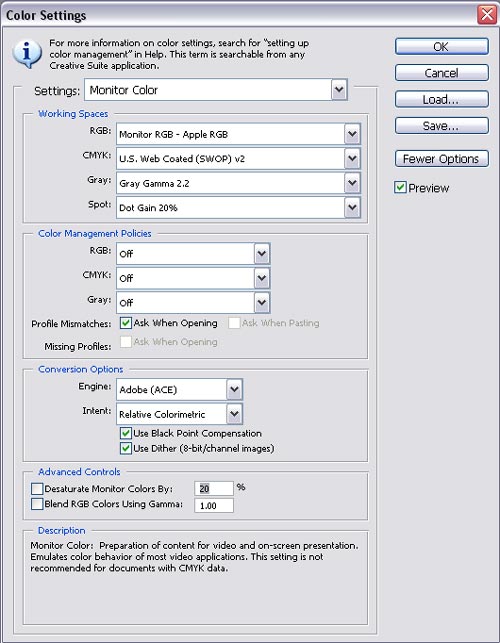
Open Photoshop and do what I said above, here you can also flip the map verticle (this will save you having to flip the V (-1.0) for the map in the material ed.
OK you probably know this part already but just in case. Import your OBJ mesh into Max, convert to editable poly, stick on a Turbosmooth (like you have done) and adjust the iterations to suit your mesh and the amount of ram you have. Place a Displace mod on top, make sure you check Luminance Center & Use Existing Mapping. Place your displacement TIFF in the map slot, not the bipmap slot of the Displace mod, and adjust the strength and decay to your liking. That should do it.
I just tested this on a mesh I’m working on and it works fine. Here is the result using the above settings. 1st Image OBJ mesh with no displacement, second with displacement.
I hope this all helps;)

Cheers
Scratchy:D
Attachments

 )
)